


February 1, 2026
Receive a personalized quote quickly—simply fill out the form below!
Adding a pergola to your backyard is one of the most effective ways to transform an ordinary outdoor space into a relaxing retreat. Pergolas not only provide shade and structure but also enhance the aesthetic and functionality of your yard. With so many materials, styles, and features available, choosing the perfect pergola design can feel overwhelming. By understanding your needs, space, and design preferences, you can select a pergola that complements your home and lifestyle beautifully.
Before selecting a pergola design, think about how you plan to use it. Do you want a cozy outdoor dining area, a shaded lounge space, or a decorative garden feature? The purpose of your pergola will help determine its ideal size, placement, and style. For example, a pergola near the house can extend your living space, while one placed farther out in the yard can create a private garden retreat. Take note of your yard’s layout, sun exposure, and wind direction to ensure your pergola enhances comfort and usability.
Pergolas are made from a variety of materials, each offering unique benefits and aesthetic appeal. Wood pergolas, often built from cedar or redwood, offer a natural, timeless look that blends beautifully with outdoor landscapes. However, they require regular maintenance to prevent weathering. Vinyl pergolas, on the other hand, are low-maintenance and resistant to rot or insects, making them an ideal choice for homeowners who want longevity with minimal upkeep. Metal pergolas, particularly those made from aluminum or steel, provide a sleek, modern appearance and exceptional durability. Your choice of material should match your desired style, maintenance preferences, and local climate.
The style of your pergola should harmonize with your home’s architecture and existing outdoor features. For traditional homes, a classic pergola with ornate beams and natural wood tones may be the best match. Contemporary properties often look stunning with minimalist pergolas that feature clean lines, metal frames, or bold geometric shapes. Mediterranean or rustic-inspired homes may pair beautifully with wooden pergolas adorned with climbing vines or lattice panels. Consistency between your home’s design and the pergola’s style creates a cohesive, well-balanced look that enhances curb appeal.
Size plays a crucial role in how your pergola fits into your backyard. A pergola that’s too small can look out of place, while one that’s too large may overwhelm the space. Measure your outdoor area and consider how much coverage you need for shade and furniture placement. If you plan to use your pergola for outdoor dining, ensure it’s large enough to comfortably fit a table and chairs with room to move around. For lounging areas, allow space for outdoor sofas, plants, and pathways. The right proportions will ensure your pergola feels integrated and functional rather than forced.
One of the primary purposes of a pergola is to provide shade and sun protection. Depending on your location and the pergola’s position, you can choose how much light you want to let through. Traditional open-beam pergolas offer partial shade while maintaining an airy feel. If you prefer more coverage, consider adding retractable canopies, adjustable louvers, or fabric drapes. These features allow you to control sunlight throughout the day and protect your outdoor space from light rain or harsh UV rays. For added greenery, climbing plants like wisteria or jasmine can naturally filter sunlight while adding beauty and fragrance.
Modern pergolas can go beyond simple shade structures—they can serve as fully equipped outdoor living spaces. Consider incorporating functional features such as built-in lighting, ceiling fans, or even outdoor heaters to extend the use of your pergola into the evening and cooler months. For dining spaces, integrated power outlets or an outdoor kitchen setup can add convenience. Adding privacy screens or curtains can also make the area more comfortable and intimate. These functional upgrades transform your pergola from a decorative element into a true extension of your home.
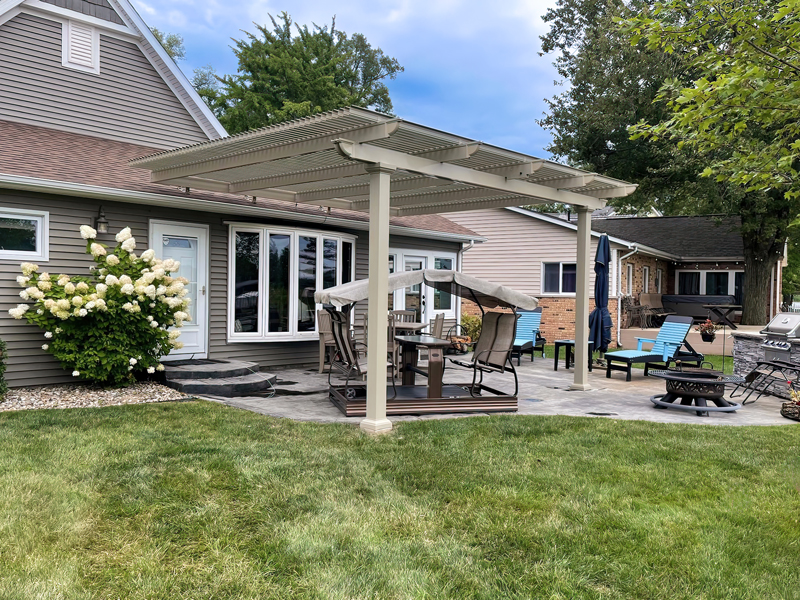
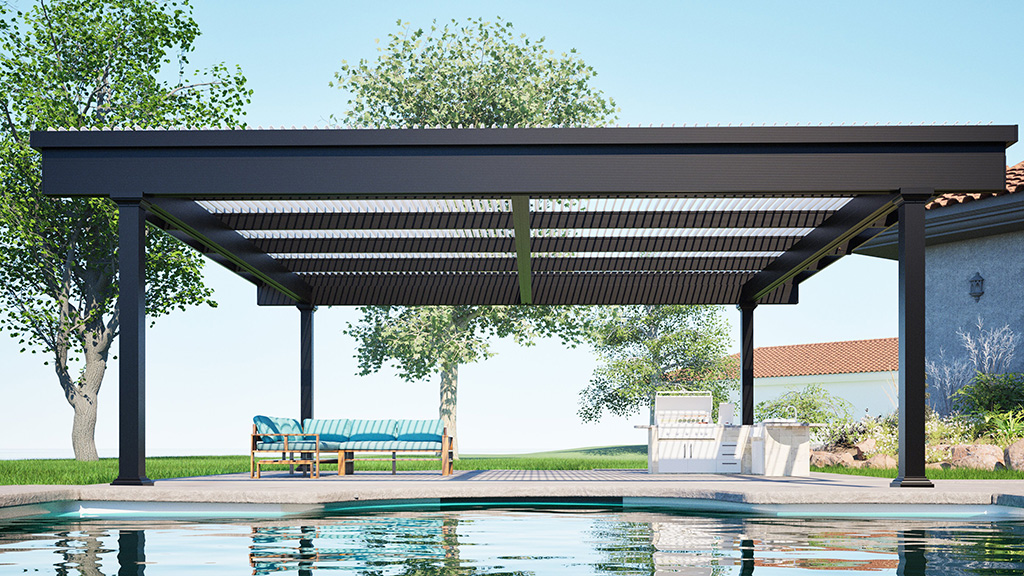
Another key decision is whether you want a freestanding or attached pergola. Freestanding pergolas are versatile and can be placed anywhere in your yard—over a garden, near a pool, or as a standalone retreat. They offer flexibility in design and placement, especially for larger outdoor spaces. Attached pergolas, by contrast, are connected to your home or patio and act as an extension of your indoor living area. They are great for creating a seamless transition between indoor and outdoor environments and often provide more stability and shelter. Your choice will depend on your available space and how you intend to use the area.
Choosing the perfect pergola design comes down to understanding your space, style, and functional needs. Whether you want a cozy nook for morning coffee, a shaded spot for family gatherings, or a stunning focal point for your garden, the right pergola can bring your vision to life. By carefully considering materials, design elements, and practical features, you can create an inviting outdoor space that enhances both your home’s beauty and your everyday enjoyment of the outdoors.
Consult with a Backyard Living Expert for Personalized Guidance and Exclusive Savings
© 2026 Luxury Backyard Living, LLC | All rights reserved



 866-364-1094