


Adding a pergola or patio enclosure can make your outdoor space more comfortable, attractive, and useful. Both options can add shade, define your backyard, and create a better place for relaxing, dining, or entertaining. The cost depends on the size, materials, design, labor, permits, and whether you want a simple shade structure or a more finished outdoor living area.
A professionally installed pergola often costs around $2,100 to $6,400, with many homeowners spending about $4,200 for a standard project. Larger custom pergolas, premium wood, aluminum systems, motorized louvers, lighting, fans, and built-in features can raise the price significantly. Basic DIY kits may cost less, while high-end custom pergolas can reach much higher depending on design and materials.
A patio enclosure usually costs more than a pergola because it may include screens, walls, windows, roofing, doors, electrical work, flooring, insulation, or HVAC. Adding screens to an existing covered patio may cost about $10 to $25 per square foot, while building a new screened-in patio enclosure may range from $50 to $175 per square foot. A more finished enclosed patio with walls and windows can cost around $100 to $350 per square foot, depending on the level of comfort and construction involved.
A pergola is usually the more affordable choice if your main goal is shade, style, and a defined outdoor seating area. A patio enclosure costs more because it creates a more protected space that may keep out bugs, rain, wind, debris, and extreme temperatures. If you want a simple backyard upgrade, a pergola may be enough, but if you want a more usable outdoor room, a patio enclosure may be worth the larger investment.
The larger the structure, the more you can expect to pay for materials, labor, footings, roofing, screens, windows, and finishing details. A small pergola over a seating area will cost much less than a large custom structure covering an outdoor kitchen or full patio. For patio enclosures, size matters even more because every added square foot can increase the cost of framing, roofing, screening, flooring, and electrical work.
Pergolas can be built from wood, vinyl, aluminum, steel, fiberglass, or composite materials. Pressure-treated wood may be more budget-friendly, while cedar, redwood, aluminum, and motorized louvered systems usually cost more. Patio enclosures may include aluminum framing, screen mesh, vinyl windows, glass windows, insulated panels, composite materials, or full construction materials that match the home.
Professional installation adds to the cost, but it also helps ensure the structure is safe, level, properly anchored, and built to handle local weather. Labor costs can vary based on your location, project complexity, site access, foundation needs, and whether electrical or structural work is included. A simple pergola kit may be faster to install, while a custom patio enclosure requires more planning and skilled construction.
Many pergolas and patio enclosures require permits, especially if they are attached to the home, include electrical work, or change the roofline. Homeowners associations may also have rules about size, height, color, materials, setbacks, and placement. Permit fees, drawings, inspections, and design revisions can add to the total project cost, so it is smart to check requirements before construction begins.
Outdoor features can make a pergola or patio enclosure more comfortable, but they also raise the budget. Lighting, ceiling fans, heaters, privacy screens, retractable shades, gutters, flooring, speakers, outlets, outdoor kitchens, and furniture can all add to the final cost. These upgrades are often easier and cleaner to include during the original build instead of adding them later.
Your yard and existing patio can also influence the cost. Uneven ground, poor drainage, old concrete, tree roots, limited access, or the need for new footings can increase labor and preparation expenses. If the structure must connect to the home, contractors may also need to inspect siding, rooflines, flashing, foundations, and exterior walls before installation.
The cheapest option is not always the best value over time. Wood pergolas may need staining or sealing, while aluminum and vinyl options often require less maintenance. Patio enclosures may cost more upfront, but they can protect furniture, reduce bugs and debris, and make the space more useful during more seasons.
The cost to build a pergola or patio enclosure depends on how much comfort, protection, and customization you want. A pergola is usually best for homeowners who want an affordable, open-air shade feature, while a patio enclosure is better for those who want a more protected outdoor living space. By comparing materials, size, features, permits, and long-term maintenance, you can choose the option that fits your home, lifestyle, and budget.
A sunroom addition can make your home feel brighter, larger, and more connected to the outdoors. It creates a comfortable space for relaxing, entertaining, reading, working, or enjoying backyard views without dealing with direct sun, rain, wind, or bugs. Beyond everyday comfort, many homeowners also wonder how a sunroom can affect resale value when it is time to sell.
One of the biggest ways a sunroom can impact resale value is by adding usable space to the home. Buyers often appreciate rooms that can serve more than one purpose, such as a lounge, breakfast area, playroom, plant room, home office, or sitting area. A well-designed sunroom can make the home feel more spacious and flexible, which can improve its overall appeal.
A sunroom can improve how a home looks from both the outside and inside. When the addition matches the home’s architecture, roofline, materials, and trim, it can make the exterior feel more polished and complete. From the backyard, a sunroom can also create a more attractive transition between indoor living areas and outdoor spaces like patios, decks, gardens, or pools.
Natural light is a major selling point for many buyers. A sunroom brings in extra daylight and can make nearby living spaces feel brighter and more welcoming. Homes that feel open, airy, and connected to the outdoors often leave a stronger impression during showings.
The value of a sunroom addition depends partly on how often it can be used. A four-season sunroom with insulation, quality windows, heating, and cooling may add more practical value than a basic three-season room in some markets. Buyers are more likely to see the addition as true living space if it stays comfortable through changing weather.
A sunroom addition that looks like an afterthought may not add as much value as one that feels original to the home. Proper foundation work, weatherproofing, roofing, windows, flooring, insulation, electrical planning, and finishing details all matter. A professionally built sunroom can give buyers more confidence, while poor construction may raise concerns about leaks, drafts, permits, or future repairs.
The resale impact of a sunroom can vary by location and buyer preferences. In areas where outdoor living is popular, a bright and comfortable sunroom may be especially appealing. If similar homes in your neighborhood have enclosed patios, lanais, screened rooms, or sunrooms, adding one may help your home stay competitive.
A sunroom with older windows, poor insulation, or too much heat gain may worry buyers about energy costs. Energy-efficient glass, proper ventilation, window treatments, ceiling fans, and climate control can make the space more comfortable and more attractive. A sunroom that feels pleasant instead of too hot or too cold is more likely to support resale value.
A sunroom addition can appeal to different buyers for different reasons. Families may see it as a playroom, remote workers may use it as a home office, retirees may enjoy it as a quiet reading space, and entertainers may view it as an extra gathering area. The more flexible the room feels, the easier it is for buyers to imagine using it.
When selling a home, buyers may ask whether the sunroom addition was properly permitted and built to code. Missing permits, unclear records, or unapproved additions can create problems during inspection, appraisal, financing, or closing. Keeping permits, contractor documents, warranties, and inspection records can help protect the value of the addition.
A sunroom can improve resale appeal, but it may not return every dollar spent. The return depends on the size, quality, location, materials, comfort level, and how well the addition fits the home. Homeowners often get the most value when the sunroom improves daily living while also making the property more attractive to future buyers.
A sunroom addition usually adds more value when it flows naturally from the rest of the home. Matching flooring, trim, paint colors, door styles, and exterior materials can help it feel like part of the original layout. A connected design makes the room feel more useful and less like a separate enclosed porch.
A sunroom addition can have a positive impact on your home’s resale value when it is well designed, properly built, energy efficient, and suited to your local market. It can add usable space, natural light, indoor-outdoor comfort, and extra flexibility that many buyers appreciate. While resale return varies, a quality sunroom can make your home more enjoyable now and more appealing when it is time to sell.
Outdoor living spaces have become an important part of modern homes, offering homeowners a place to relax, entertain, and enjoy the outdoors in comfort. While patios are already valuable additions to a property, adding a patio cover can significantly improve both functionality and long-term value. Patio covers provide protection from the elements, enhance curb appeal, and create more usable outdoor space throughout the year. Whether you’re looking to increase comfort, reduce maintenance, or improve your home’s resale appeal, investing in a patio cover offers a wide range of benefits that make it a smart choice for homeowners.
One of the biggest advantages of a patio cover is the ability to enjoy outdoor areas more often. Without protection from the sun or rain, patios may only be comfortable during certain times of the day or seasons of the year. A patio cover creates shade and shelter, allowing homeowners to spend more time outdoors regardless of weather conditions. This extended usability transforms a simple patio into a true outdoor living space.
Outdoor furniture can be expensive, and constant exposure to sunlight, rain, and moisture can quickly lead to fading, rust, or deterioration. A patio cover helps protect furniture from harsh weather conditions, extending the lifespan of cushions, tables, and seating. By reducing exposure to UV rays and moisture, homeowners can maintain the appearance and quality of their outdoor furnishings for many years.
Patio covers can also contribute to better energy efficiency inside the home. By providing shade near windows and doors, they help reduce the amount of direct sunlight entering the house. This can lower indoor temperatures during warmer months and reduce the need for excessive air conditioning use. Over time, the added shade may help decrease energy costs while creating a more comfortable indoor environment.
A well-designed patio cover adds visual interest and architectural character to a home’s exterior. Whether modern, traditional, or rustic in style, patio covers create a more polished and inviting outdoor appearance. They can complement landscaping, outdoor furniture, and other exterior features to create a cohesive design. Enhanced curb appeal not only improves the homeowner’s enjoyment of the property but can also make the home more attractive to potential buyers.
Outdoor living features are highly desirable in today’s real estate market, and patio covers can increase the overall value of a home. Buyers often appreciate properties that offer functional and attractive outdoor spaces. A covered patio creates the impression of additional living space, which can make the home feel larger and more versatile. As a result, installing a patio cover may provide a strong return on investment when it comes time to sell.
Patios exposed to the elements often require more frequent cleaning and maintenance. Rain, falling leaves, dirt, and debris can quickly accumulate on outdoor surfaces and furniture. A patio cover helps keep the area cleaner by limiting direct exposure to weather and debris. This reduces the amount of maintenance needed to keep the patio looking neat and well-maintained throughout the year.
Excessive sun exposure can make outdoor areas uncomfortable and increase the risk of skin damage. Patio covers provide valuable protection from harmful UV rays, creating a safer and more enjoyable environment for family members and guests. This added shade is especially beneficial during hot summer months when direct sunlight can make patios difficult to use comfortably.
Covered patios are perfect for hosting gatherings, outdoor meals, and social events. A patio cover creates a more comfortable setting where guests can relax without worrying about excessive heat or light rain. Homeowners can also enhance the space with outdoor lighting, fans, or decorative elements to create a welcoming atmosphere for entertaining year-round.
Patio covers are available in a wide variety of styles, materials, and configurations, making it easy for homeowners to choose an option that fits their property and lifestyle. Pergolas, solid roof covers, retractable awnings, and insulated aluminum systems each offer different benefits. Materials such as wood, vinyl, and aluminum provide flexibility in terms of appearance, durability, and maintenance needs. This customization allows homeowners to create an outdoor space that matches their personal style.
A covered patio creates opportunities for year-round outdoor activities. Families can enjoy dining outside, reading, exercising, or simply relaxing regardless of changing weather conditions. Even during light rain or intense sun, the covered area remains functional and comfortable. This versatility makes the patio a more valuable and frequently used part of the home.
Patio covers not only protect furniture but also help preserve the patio surface itself. Decks, pavers, and concrete patios are exposed to constant weathering, which can lead to fading, cracking, or deterioration over time. A patio cover reduces direct exposure to sun and moisture, helping extend the lifespan of outdoor flooring materials and minimizing repair costs in the future.
Ultimately, patio covers improve the overall enjoyment of a home. They create a more relaxing outdoor environment where homeowners can unwind, spend time with family, and enjoy fresh air in comfort. By combining practicality with aesthetic appeal, patio covers enhance both daily living and long-term property value.
Investing in a patio cover is a smart decision for homeowners who want to maximize the functionality, comfort, and appearance of their outdoor space. From protecting furniture and reducing maintenance to increasing curb appeal and property value, patio covers provide benefits that can be enjoyed for years to come.
Outdoor living spaces have become one of the most desirable features for modern homeowners, and adding a pergola is one of the most effective ways to enhance both the appearance and functionality of a property. Pergolas create stylish, inviting outdoor areas that can transform an ordinary backyard or patio into a visually appealing extension of the home. In addition to improving comfort and aesthetics, a well-designed pergola can also increase property value and attract potential buyers. Whether attached to a patio, placed near a pool, or used to define a garden space, pergolas offer a combination of beauty and practicality that benefits homeowners in many ways.
Curb appeal plays a major role in how a home is perceived, both by guests and potential buyers. A pergola adds architectural interest and creates a polished, upscale appearance that instantly enhances the exterior of the property. Even a simple pergola design can make outdoor spaces feel more intentional and well-maintained. Because outdoor structures draw attention to the landscaping and overall design of the yard, they contribute to a stronger and more inviting first impression.
One of the biggest advantages of installing a pergola is the ability to create a functional outdoor living area. Pergolas help define spaces for dining, relaxing, or entertaining while maintaining an open and airy feel. Homeowners can add outdoor furniture, lighting, or decorative accents to create a comfortable retreat for family gatherings and social events. Expanding usable outdoor space adds value by increasing the overall functionality of the property.
Pergolas add height, structure, and dimension to outdoor spaces, making landscapes feel more balanced and visually interesting. In yards that may otherwise feel flat or open, a pergola creates a focal point that draws attention and enhances the overall design. The combination of vertical posts and overhead beams introduces texture and architectural detail that complements both modern and traditional home styles.
Today’s homebuyers often look for properties that offer attractive outdoor amenities. A pergola can make a home stand out in a competitive real estate market by showcasing an upgraded outdoor lifestyle. Buyers are increasingly interested in spaces that support relaxation and entertaining, and a pergola helps create that experience. Homes with appealing outdoor features may attract more interest and potentially sell faster than properties without them.
While pergolas are not fully enclosed structures, they provide partial shade that makes outdoor areas more comfortable during sunny weather. This added comfort encourages homeowners to spend more time outdoors and enjoy their patios or gardens throughout the year. Many homeowners also customize pergolas with retractable canopies, climbing plants, or curtains for additional shade and privacy. A more comfortable outdoor environment can make the property feel larger and more versatile.
Pergolas work beautifully with landscaping and can help tie together different elements of the yard. Climbing plants such as wisteria, ivy, or roses can grow along the structure, creating a lush and natural appearance. Pergolas also pair well with gardens, pathways, pools, and outdoor kitchens, helping create a cohesive outdoor design. By enhancing the overall landscape, pergolas contribute to a more refined and attractive property.
Outdoor entertaining has become increasingly popular, and pergolas provide an ideal setting for hosting guests. Whether used for outdoor dining, barbecues, or relaxing evenings with friends, a pergola creates a welcoming space that feels separate from the rest of the yard. Adding lighting, ceiling fans, or outdoor speakers can further improve the entertainment experience. Functional outdoor gathering areas often increase the perceived value of a home.
Pergolas are highly customizable, allowing homeowners to choose styles, materials, and finishes that complement their property. Wood pergolas offer a warm and traditional appearance, while aluminum and vinyl options provide modern, low-maintenance alternatives. Homeowners can also personalize pergolas with built-in seating, hanging lights, or decorative accents. This flexibility makes it easier to create an outdoor feature that aligns with both personal preferences and the home’s overall design.
Outdoor improvements are often viewed as valuable investments because they enhance both lifestyle and resale appeal. A professionally designed pergola can contribute to the overall market value of a property by improving curb appeal and increasing usable outdoor space. While the exact return on investment may vary depending on location and design quality, attractive outdoor features generally make homes more desirable to prospective buyers.
Many modern pergola materials are designed to be durable and easy to maintain. Vinyl and aluminum pergolas resist weather damage, fading, and pests, making them practical options for homeowners who want long-lasting beauty without extensive upkeep. Low-maintenance outdoor structures appeal to busy homeowners and buyers alike, adding convenience along with aesthetic value.
Pergolas have a way of making outdoor spaces feel more elegant and upscale. Even modest backyard areas can feel more luxurious with the addition of a thoughtfully designed pergola. Combined with landscaping, lighting, and comfortable seating, the structure creates a resort-like atmosphere that enhances the overall living experience. This sense of luxury can positively influence how a property is viewed by visitors and potential buyers.
Installing a pergola is an effective way to improve curb appeal, expand outdoor living space, and increase the overall value of a home. By combining style, function, and versatility, pergolas enhance both the appearance and usability of outdoor areas. Whether you’re looking to create a relaxing retreat for your family or boost the marketability of your property, a pergola is a worthwhile investment that can deliver long-term benefits.
A sunroom is one of the most inviting spaces in a home, offering abundant natural light, outdoor views, and a cozy atmosphere. However, without proper temperature control, sunrooms can be uncomfortable during the hottest summers or coldest winters. Adding heating and cooling solutions allows homeowners to enjoy their sunrooms throughout the year, turning this bright, airy space into a versatile retreat. With the right systems in place, your sunroom can remain comfortable and usable in every season.
Adding heating and cooling to a sunroom enhances comfort, usability, and overall enjoyment of the space. Temperature control allows you to host gatherings, relax with a book, or work from home in comfort, regardless of the weather outside. Climate-controlled sunrooms also protect furniture and flooring from extreme temperature fluctuations, reducing wear and tear and preserving the beauty of your space.
There are several effective ways to add warmth to a sunroom. Electric baseboard heaters are easy to install and provide consistent heat throughout the space. Radiant floor heating is another option, offering gentle, evenly distributed warmth from the floor up. Portable heaters can also be convenient for smaller sunrooms or temporary solutions. Choosing the right heating system depends on your sunroom’s size, insulation, and how frequently you plan to use it during colder months.
Sunrooms can quickly become uncomfortable during summer if they aren’t properly ventilated or cooled. Ceiling fans are an affordable and energy-efficient way to circulate air, keeping the space comfortable. For more significant cooling, ductless mini-split air conditioning systems offer powerful, adjustable cooling without requiring major renovations. Window units or portable air conditioners can work for smaller spaces, providing flexibility and ease of installation.
Proper insulation is crucial for maintaining a comfortable temperature in a sunroom year-round. Double-pane or triple-pane windows, insulated doors, and high-quality weather stripping help keep warm air inside during winter and prevent heat gain in the summer. Investing in energy-efficient materials not only improves comfort but also reduces utility costs and minimizes the environmental impact of your heating and cooling systems.
Integrating a smart thermostat with your sunroom heating and cooling system provides precise control over temperature and energy use. Smart systems allow you to set schedules, adjust temperatures remotely, and create separate zones for your sunroom and main living areas. Zoning ensures that energy is used efficiently, keeping your sunroom comfortable without affecting the rest of your home or increasing unnecessary utility costs.
In addition to traditional cooling systems, proper ventilation can make a significant difference in your sunroom’s comfort. Ceiling fans improve air circulation, helping to reduce heat buildup in the summer and distribute warm air in the winter. Ventilation options, such as operable windows or vents, allow you to take advantage of natural breezes while maintaining airflow control. Combining ventilation with heating and cooling systems creates a balanced, comfortable environment throughout the year.
When adding heating and cooling to your sunroom, it’s important to consider how your furniture and flooring will respond. Heat-sensitive materials like certain woods or fabrics may warp or fade if exposed to extreme temperature fluctuations. Using durable, climate-friendly furniture and flooring materials helps ensure that your sunroom remains stylish and comfortable even as the temperature changes. Rugs, cushions, and curtains can also help insulate the space and maintain a cozy atmosphere.
Installing heating and cooling systems in a sunroom can be more complex than in other areas of the home due to unique design features, window placement, and insulation needs. Professional installation ensures that systems are correctly sized, efficiently configured, and safely installed. Experts can also provide guidance on energy-efficient solutions and system maintenance, ensuring that your sunroom remains comfortable year-round with minimal hassle.
Regular maintenance is essential to keep your sunroom’s heating and cooling systems running efficiently. Changing filters, cleaning vents, and scheduling annual inspections help prevent breakdowns and extend the lifespan of your equipment. Proper maintenance also ensures that energy consumption stays low, keeping your utility bills manageable while maintaining a comfortable environment.
A well-heated and cooled sunroom provides a versatile space for relaxation, entertainment, and productivity throughout the year. Whether you’re enjoying a winter morning with a cup of coffee or hosting a summer evening gathering, climate control allows you to make the most of your sunroom. By combining effective heating and cooling systems with insulation, ventilation, and smart technology, your sunroom becomes a true year-round retreat.
Adding heating and cooling to your sunroom transforms it from a seasonal space into a functional, comfortable living area. With careful planning, the right systems, and attention to energy efficiency, you can enjoy the natural light, outdoor views, and cozy atmosphere of your sunroom no matter the season. Creating a climate-controlled environment enhances your home’s usability and value, making your sunroom a space you’ll love all year long.
Patios are a beloved feature of any home, offering a space to relax, entertain, and enjoy the outdoors. However, the changing seasons can limit how often you use this space. Patio enclosures provide a practical and stylish solution, allowing homeowners to extend their outdoor living season while protecting against the elements. With options ranging from screened-in porches to fully glassed-in sunrooms, patio enclosures transform your patio into a comfortable, year-round retreat.
Adding a patio enclosure increases both the functionality and value of your home. By shielding your outdoor space from wind, rain, and insects, you can enjoy fresh air without compromising comfort. Enclosures also create additional living space that can be used for dining, entertaining, or relaxing, making your patio a versatile extension of your home.
Screened-in patios are a popular choice for homeowners who want protection from bugs without sacrificing the feeling of being outdoors. The screens allow for ventilation while keeping pests out, making it ideal for summer evenings or afternoon gatherings. These enclosures are often more affordable and quicker to install than fully glassed-in options, making them a practical first step toward extending your patio season.
For year-round use, glass patio enclosures are an excellent investment. Sliding glass panels or fixed windows provide protection from wind, rain, and cold, allowing you to enjoy your outdoor views regardless of the weather. Glass enclosures also help retain heat during cooler months and can be combined with ceiling fans or heaters to create a comfortable environment throughout the year.
Retractable roof systems offer flexibility for homeowners who want to control how much sun or shade they experience. These systems allow you to open your patio to enjoy sunny days or close it for protection against rain. Modern retractable roofs are often motorized, making it easy to adjust the coverage with the push of a button. This adaptability extends your outdoor season while maintaining the option for full open-air enjoyment.
Hybrid designs that combine screens and glass provide the best of both worlds. Homeowners can enjoy insect protection with screened sections while still benefiting from the warmth and weatherproofing of glass panels. This combination is ideal for areas with fluctuating weather, allowing you to customize your patio experience depending on the season and conditions.
Adding heating or cooling elements to your patio enclosure further extends its usability. Electric heaters, ceiling fans, and even radiant floor heating can make your enclosed patio comfortable in winter or during hot summer days. With these additions, your patio becomes a year-round destination for relaxation, meals, or social gatherings, regardless of outdoor temperatures.
When designing an enclosed patio, consider furniture and decor that complement both outdoor and indoor living. Weather-resistant furniture ensures durability, while rugs, cushions, and lighting add warmth and style. Incorporating plants and greenery enhances the connection to nature, making your enclosed space feel inviting and fresh. Thoughtful design transforms a patio enclosure into a true extension of your home’s interior.
Investing in a patio enclosure not only improves your lifestyle but also increases your home’s resale value. Potential buyers are often attracted to versatile outdoor spaces that can be used year-round. A well-designed enclosure adds square footage, enhances aesthetics, and demonstrates thoughtful planning, making your home more appealing on the market.
Maintaining a patio enclosure is essential to ensure it lasts for years. Regular cleaning of screens, glass panels, and frames keeps the space inviting and prevents deterioration. Using durable materials such as aluminum, vinyl, or tempered glass minimizes maintenance and maximizes longevity. Proper upkeep ensures that your investment continues to provide comfort and enjoyment for many seasons.
Patio enclosures can be customized to match your lifestyle and home’s architectural style. From simple, functional designs to elaborate sunrooms with floor-to-ceiling glass, the options are extensive. Incorporate features like built-in seating, ceiling fans, or entertainment systems to make your enclosed patio a true extension of your home that meets all your outdoor living needs.
A patio enclosure is more than just a structural addition—it’s an opportunity to enjoy the beauty of your outdoor space year-round. By choosing the right style, materials, and features, you can create a comfortable and versatile area that enhances both your lifestyle and your home’s value. Extending your outdoor living season has never been easier, allowing you to savor fresh air, sunlight, and nature without compromise.
A sunroom is one of the most enjoyable spaces in a home. Filled with natural light and offering beautiful outdoor views, it serves as a relaxing retreat for reading, entertaining, or simply soaking up the sunshine. However, because sunrooms feature expansive windows and frequent exposure to the elements, they require regular care to stay bright and inviting. With a consistent cleaning routine and a few smart maintenance practices, you can keep your sunroom sparkling all year long.
Sunrooms tend to collect dust quickly due to increased airflow and open windows. Begin your cleaning routine by dusting all surfaces, including window sills, frames, ceiling fans, light fixtures, and furniture. Use a microfiber cloth or extendable duster to capture particles rather than spreading them around. Regular dusting prevents buildup and keeps allergens under control, ensuring your sunroom remains a comfortable place to relax.
The defining feature of any sunroom is its windows, so keeping them crystal clear is essential. Use a streak-free glass cleaner or a mixture of water and white vinegar to remove smudges and grime. Clean both the interior and exterior surfaces whenever possible, as outdoor exposure can leave behind pollen, dirt, and water spots. Don’t forget to wipe down window tracks and screens, which can accumulate debris and impact airflow.
Window screens protect your sunroom from insects while allowing fresh air to circulate. Remove screens periodically and gently rinse them with water to eliminate dust and pollen. Inspect seals and weatherstripping around windows to ensure they remain intact. Properly sealed windows help regulate temperature, reduce drafts, and prevent moisture from entering the space.
Sunroom floors endure heavy foot traffic and direct sunlight. Whether your flooring is tile, hardwood, laminate, or indoor-outdoor carpet, regular cleaning keeps it looking its best. Sweep or vacuum frequently to remove dirt and debris that can scratch surfaces. For deeper cleaning, mop with a gentle, manufacturer-approved solution. If your sunroom features area rugs, shake them out and clean them according to care instructions to maintain freshness.
Constant sunlight can fade fabrics and weaken materials over time. Rotate furniture periodically to ensure even exposure and prevent uneven fading. Consider using UV-protective window film or light-filtering shades to reduce direct sun intensity. Choosing fade-resistant fabrics and materials specifically designed for sunrooms or indoor-outdoor use can also extend the life of your furniture.
Because sunrooms are often surrounded by glass, temperature fluctuations can create condensation and excess humidity. Use a dehumidifier or ceiling fan to regulate moisture levels, especially during humid months. Wipe down window frames and sills if condensation appears to prevent mold and mildew growth. Maintaining balanced humidity keeps your sunroom comfortable and protects structural elements from damage.
The inviting warmth and light of a sunroom can attract insects if precautions aren’t taken. Inspect screens and door seals for small tears or gaps. Clean up food crumbs promptly if you use the space for dining. Keeping the area tidy and sealed helps deter pests while allowing you to enjoy fresh air without unwanted visitors.
Sunrooms are perfect environments for houseplants, but caring for them properly prevents mess and damage. Use trays under pots to catch excess water and protect flooring. Prune dead leaves regularly and wipe plant foliage to remove dust buildup. Healthy plants enhance the beauty of your sunroom while contributing to better indoor air quality.
Each season brings different challenges for your sunroom. In spring and summer, pollen and insects require extra attention to windows and screens. Fall may bring falling leaves that accumulate near doorways, while winter can introduce condensation and cold drafts. Adjust your cleaning routine accordingly to keep the space comfortable and functional year-round.
Beyond cosmetic cleaning, periodic inspections are important for long-term care. Examine the roof panels, frames, and support beams for signs of wear or damage. Look for leaks after heavy rain and address them promptly. Catching structural issues early prevents costly repairs and keeps your sunroom safe and sturdy.
Clutter can diminish the open, airy feel of a sunroom. Use decorative storage baskets, shelving, or cabinets to keep books, blankets, and accessories organized. Maintaining a tidy layout allows natural light to flow freely and highlights the room’s best features. A well-organized sunroom feels more spacious and inviting.
In addition to weekly upkeep, schedule seasonal deep cleanings to maintain a truly sparkling sunroom. Move furniture to clean hidden areas, wash curtains or blinds, and polish metal or wood accents. Taking the time for a comprehensive refresh ensures every corner of your sunroom remains bright and welcoming.
Caring for your sunroom doesn’t have to be overwhelming. By staying consistent with cleaning routines, protecting surfaces from sun damage, and addressing maintenance needs promptly, you can preserve the beauty and comfort of this unique space. With proper attention, your sunroom will continue to be a light-filled sanctuary where you can relax, entertain, and enjoy the changing seasons in style.
As summer approaches, your pergola or patio becomes the heart of outdoor living. It’s where morning coffee tastes better, weekend barbecues come to life, and evenings are spent relaxing under the open sky. But before you fully embrace the season, it’s important to give your outdoor space a little attention. A few thoughtful updates and maintenance steps can transform your pergola or patio into a comfortable, stylish, and functional retreat for the months ahead.
Winter and spring can leave behind dirt, pollen, mildew, and debris that dull the appearance of your outdoor space. Begin by sweeping away leaves and clearing out corners where debris collects. Power wash patio surfaces, pergola beams, and railings to remove built-up grime. For wooden structures, use a gentle cleaner to avoid stripping protective finishes. A deep clean instantly refreshes the area and sets the stage for the rest of your summer preparations.
Seasonal changes can take a toll on outdoor structures. Carefully inspect your pergola for loose bolts, cracked beams, or signs of rot. Check patio pavers or concrete for cracks that may have developed during colder months. Tighten hardware, replace damaged boards, and seal any cracks to prevent further deterioration. Addressing small issues early helps extend the life of your pergola or patio and ensures a safe environment for guests.
If your pergola is made of wood, applying a fresh coat of sealant or stain helps protect it from intense summer sun and sudden rainstorms. UV rays can cause fading and drying, while moisture may lead to warping or mold growth. Sealing surfaces preserves both appearance and durability. For stone or concrete patios, consider applying a protective sealant that prevents stains and makes cleaning easier throughout the season.
Outdoor furniture often needs a little care before summer begins. Wash cushions and wipe down frames with mild soap and water. Inspect for rust on metal pieces and treat it promptly. If cushions are worn or faded, consider replacing them with vibrant, weather-resistant fabrics that add a fresh pop of color. Comfortable seating is key to creating an inviting outdoor space that you’ll enjoy all season long.
While pergolas provide partial shade, additional protection from direct sunlight can make your space more comfortable. Install outdoor curtains, retractable canopies, or shade sails to block harsh afternoon rays. These additions not only reduce heat but also create a cozy, resort-like feel. Adjustable shade options allow you to control sunlight exposure depending on the time of day.
Long summer evenings are perfect for outdoor gatherings, and proper lighting enhances both safety and atmosphere. String lights woven through pergola beams create a warm, inviting glow. Solar-powered pathway lights can illuminate walkways without increasing energy costs. Lanterns, LED candles, or wall-mounted fixtures provide layered lighting that makes your patio feel like an extension of your indoor living space.
Plants bring life and color to any outdoor setting. Consider adding potted flowers, hanging baskets, or climbing vines that complement your pergola’s structure. Vertical planters or herb gardens can maximize space while adding fragrance and texture. Choose heat-tolerant plants suited to your climate to ensure they thrive throughout the summer months. Greenery softens hard surfaces and enhances the natural beauty of your patio.
Summer often means hosting friends and family. Ensure your grill is clean and in good working order. Set up a designated dining area with a sturdy table and comfortable chairs. Keep serving trays, outdoor dishware, and storage bins handy for convenience. Adding a beverage station or small outdoor bar can elevate your entertaining game and make gatherings more enjoyable.
Warm weather also brings mosquitoes and other insects. Installing outdoor fans can help keep bugs at bay while improving airflow. Citronella candles, torches, or natural repellents provide additional protection. If your pergola allows, consider adding lightweight mesh curtains that can be drawn during peak mosquito hours. Taking preventive steps ensures your outdoor time remains comfortable and uninterrupted.
Transform your pergola or patio into a relaxation haven by adding soft touches like outdoor rugs, throw pillows, and cozy blankets for cooler evenings. Choose weather-resistant materials designed to withstand sun exposure and moisture. Arranging seating around a fire pit or coffee table encourages conversation and creates a welcoming focal point for guests.
Proper drainage is essential to prevent water pooling during summer storms. Ensure gutters, downspouts, and nearby drains are clear of debris. If your patio has slight grading, confirm that water flows away from the structure. Addressing drainage issues before heavy rainfall protects your foundation and prevents long-term damage.
Enhance your outdoor space by incorporating entertainment options. Outdoor speakers, weather-resistant televisions, or projection screens can turn your patio into a summer movie night destination. Ensure all electrical components are rated for outdoor use and properly protected from moisture.
Preparing your pergola or patio for summer doesn’t require a complete overhaul—just thoughtful care and strategic updates. By cleaning thoroughly, making repairs, refreshing furniture, and enhancing comfort features, you can create a stylish and functional outdoor retreat. With the right preparation, your pergola or patio will become the perfect place to unwind, entertain, and soak up everything summer has to offer.
A pergola is more than just an outdoor structure—it’s an extension of your home, providing shade, elegance, and a space to relax or entertain. Whether made from wood, vinyl, or aluminum, a pergola can last for many years if it is properly cared for. Regular maintenance not only preserves its aesthetic appeal but also prevents structural damage and extends its lifespan. Knowing how to maintain your pergola ensures it remains a beautiful and functional addition to your outdoor space for years to come.
One of the simplest yet most important steps in pergola maintenance is cleaning. Dirt, leaves, pollen, and bird droppings can accumulate on beams, posts, and lattice work, causing discoloration and potential decay over time. Wooden pergolas can be cleaned with a mild soap and water solution, while vinyl and aluminum pergolas can often be rinsed with a garden hose. Regular cleaning prevents grime buildup, keeps your pergola looking fresh, and reduces the risk of long-term damage.
Routine inspections are critical to ensuring your pergola remains safe and sturdy. Look for signs of damage such as warped or cracked wood, loose bolts, rusted screws, or weakened joints. Checking for structural issues allows you to address small problems before they become larger, more costly repairs. For pergolas that support climbing plants, inspect areas where vegetation might stress the structure and trim plants as needed to prevent unnecessary weight or damage.
Wood pergolas require special attention to maintain their appearance and durability. Applying a high-quality sealant or stain annually protects the wood from moisture, sun damage, and insects. Pressure-treated wood may require less frequent sealing, but checking for signs of rot or insect activity is essential. By keeping the wood sealed and protected, you ensure that your pergola retains its natural beauty and structural strength for years.
Vinyl and aluminum pergolas are popular for their low-maintenance appeal, but they still require care. Vinyl pergolas should be washed periodically to prevent staining or mold growth, and aluminum pergolas may need occasional touch-ups for scratches or paint chips. Inspecting these materials for structural issues, such as bent or loose components, ensures they remain sturdy. While they are more resistant to weathering than wood, proper care still helps prevent deterioration over time.
Your pergola is exposed to sun, wind, rain, and snow, making seasonal care important. During the rainy season, ensure that water drains properly and does not pool around posts. In winter, remove heavy snow buildup from the top of your pergola to prevent sagging or structural strain. Applying protective coatings in spring can shield against UV rays and rain, helping your pergola maintain its appearance and integrity year-round.
Many homeowners enjoy using pergolas as a support for climbing plants, such as wisteria, roses, or grapevines. While these plants add beauty and shade, they can also put stress on the structure if not maintained properly. Regularly trim vines and monitor plant growth to prevent them from becoming too heavy or invasive. This not only protects your pergola but also keeps your plants healthy and aesthetically pleasing.
Bolts, screws, brackets, and other hardware play a crucial role in the stability of your pergola. Over time, these components may loosen or rust, particularly in wooden structures. Check all hardware regularly and tighten or replace as needed. Lubricating moving parts, such as retractable canopies or adjustable panels, ensures smooth operation and prevents unnecessary wear. Proper hardware maintenance keeps your pergola safe and functional for daily use.
For painted or stained pergolas, periodic repainting or refinishing may be necessary to protect the surface and maintain visual appeal. Wooden pergolas exposed to direct sunlight may fade over time, while metal pergolas can develop chipped paint or rust. By refreshing the finish when needed, you enhance the durability and longevity of the structure while keeping it looking vibrant and well-maintained.
Wooden pergolas are particularly susceptible to termites, carpenter ants, and other pests. Regular inspections for signs of infestation, such as holes, sawdust, or weakened wood, are essential. Applying pest-repellent treatments or sealants can help protect the structure from damage. For pergolas with integrated plantings, ensure that climbing vegetation does not hide pest activity and allows for easy inspection.
Maintaining a pergola is an ongoing commitment, but with a proper plan, it can remain a centerpiece of your outdoor space for years. Set a schedule for cleaning, inspections, seasonal care, and touch-ups. Keep a record of any repairs or maintenance tasks to track the health of your pergola over time. A proactive approach not only preserves its beauty and functionality but also protects the investment you’ve made in your outdoor living area.
A pergola can transform your backyard into an inviting and functional outdoor retreat, but its longevity depends on regular care and attention. From cleaning and structural inspections to weatherproofing and pest prevention, each step is crucial to maintaining the beauty and integrity of your pergola. By following these maintenance practices, homeowners can ensure their pergola continues to provide shade, charm, and enjoyment for many years. With consistent care, your pergola will remain a strong and attractive feature that enhances both your outdoor living space and overall property value.
A well-maintained patio cover or enclosure can dramatically enhance your outdoor living space, offering protection from the elements and creating a comfortable area for relaxing or entertaining. Whether you have a permanent patio roof, a retractable cover, or a fully enclosed sunroom-style space, regular care is essential to ensure it lasts for years. Proper maintenance not only preserves the aesthetic appeal of your patio but also helps prevent costly repairs, so you can enjoy your outdoor area in any season.
One of the simplest yet most important steps in maintaining patio covers and enclosures is keeping them clean. Leaves, dirt, and dust can accumulate on the roof or in the corners, leading to potential water damage or staining over time. Use a broom, leaf blower, or gentle pressure washer to remove debris regularly. For enclosures with screens or glass panels, a mild soap and water solution can keep surfaces clear and streak-free. This routine cleaning prevents buildup and ensures your patio remains inviting and functional.
Patio covers and enclosures are exposed to weather year-round, making periodic inspections essential. Check for signs of wear such as loose screws, warped beams, cracked panels, or rusted metal components. Early detection of structural issues allows for timely repairs before they become more serious problems. If you notice sagging or instability, it may be time to contact a professional to reinforce the framework and maintain the integrity of your patio cover or enclosure.
Moisture is one of the biggest threats to patio structures, especially in climates with heavy rain or snow. Ensure that your patio cover or enclosure has proper drainage, including gutters or downspouts, to channel water away from the structure. For enclosures with wooden components, consider applying a weather-resistant sealant annually to prevent water absorption and rot. Keeping moisture under control helps maintain the durability of your patio and reduces the risk of mold and mildew growth.
If your patio enclosure includes screens or glass panels, keeping them in good condition is key for both appearance and functionality. Screens should be checked for tears, loose edges, or bent frames and repaired as needed. Glass panels should be inspected for cracks or chips and cleaned with appropriate glass cleaners to prevent streaks. Proper care of these components ensures that your patio remains protected from insects and weather while maximizing visibility and natural light.
Different seasons require specific maintenance tasks to keep your patio cover or enclosure in top shape. In the fall, remove accumulated leaves and debris to prevent clogging and decay. Winter may require snow removal from flat or lightly pitched roofs to avoid overloading the structure. Spring is an ideal time to inspect for any winter damage and perform thorough cleaning, while summer can involve checking for sun damage or fading and applying protective finishes if needed. Following a seasonal maintenance schedule helps prevent long-term issues and keeps your patio looking great year-round.
Patio covers and enclosures are constantly exposed to the sun, wind, and other elements. UV rays can cause fading, warping, or cracking, particularly on painted or wooden surfaces. To reduce sun damage, consider applying UV-protective coatings or stains to wooden elements and using weather-resistant paints for metal or aluminum components. Additionally, retractable covers can be closed when not in use to protect fabrics and materials from prolonged sun exposure. These steps help preserve the structural integrity and aesthetic appeal of your patio over time.
The hardware that holds your patio cover or enclosure together—screws, bolts, hinges, and brackets—can loosen over time due to use and weather exposure. Regularly inspect and tighten these components to ensure stability and safety. Lubricating moving parts, such as retractable awnings or sliding doors, also prevents wear and reduces the risk of malfunction. Keeping your patio’s hardware in top condition extends its lifespan and ensures smooth operation.
While routine maintenance can handle most care tasks, scheduling professional inspections every few years is highly recommended. Experts can identify structural weaknesses, weather-related damage, or potential safety hazards that may not be obvious to the untrained eye. Professionals can also perform repairs or adjustments that require specialized tools or knowledge, ensuring your patio cover or enclosure remains safe, functional, and visually appealing.
A well-maintained patio cover or enclosure not only functions better but also enhances your outdoor space’s aesthetic appeal. Regular cleaning, painting, sealing, and minor repairs keep the structure looking fresh and inviting. Incorporating seasonal décor, lighting, or outdoor furnishings in conjunction with your maintenance routine ensures your patio remains a beautiful extension of your home. A visually appealing patio encourages more frequent use and adds value to your property.
Patio covers and enclosures are investments that provide comfort, protection, and extended living space throughout the year. By committing to regular cleaning, inspections, seasonal maintenance, and timely repairs, homeowners can ensure these structures remain in excellent condition for years to come. Whether it’s preventing water damage, protecting against sun exposure, or maintaining screens and hardware, a proactive approach to maintenance will keep your patio functional, safe, and attractive in every season. With proper care, your outdoor space can continue to be a relaxing and enjoyable retreat, no matter the weather.
Adding a sunroom to your home is one of the most enjoyable ways to enhance your living space. Whether you’re dreaming of a cozy place to relax, a bright room for plants, or a sunny extension for entertaining, a sunroom can bring comfort and beauty to your home year-round. But before starting the project, many homeowners want to know: how long does it actually take to build a sunroom? While timelines vary depending on design, permits, and construction complexity, understanding the typical stages can help you plan with confidence. Here’s a breakdown of what to expect from start to finish.
The first stage of any sunroom project involves planning and design, which typically takes one to three weeks. During this phase, you’ll meet with a contractor or design specialist to discuss your goals, budget, and preferred style. This is when decisions about materials, layout, and features—such as HVAC options, insulation levels, and window styles—are made. A detailed design ensures that the sunroom will fit your needs and blend seamlessly with your home’s existing structure. Spending time planning up front helps prevent delays later on.
Before construction can begin, a site evaluation is necessary to determine the feasibility of the project. This usually takes a few days to a week. The contractor will inspect the area where the sunroom will be built, assess the foundation requirements, and take measurements to ensure the new space aligns properly with your home. Factors such as soil condition, slope, and existing landscaping may influence the final design. This step is essential for identifying potential challenges early and avoiding surprises during construction.
In most areas, building a sunroom requires permits, especially if electrical or structural work is involved. The permit approval process can take anywhere from two to six weeks, depending on your local municipality. Your contractor usually handles the paperwork, but the timeline depends on how quickly the local building department reviews and approves the plans. While it may feel like a slow step, permitting ensures your sunroom meets safety standards and local regulations, protecting your investment in the long run.
Once permits are approved and the design is finalized, the next step is ordering materials. This typically takes one to four weeks. The timeline depends on the type of sunroom you’re building—custom designs, specialty windows, or specific roofing materials may take longer to arrive. Standard materials often ship faster. A good contractor will coordinate the timing so that everything arrives by the time construction begins, helping the project stay on schedule.
Building the foundation is one of the most important structural steps, and it usually takes one to two weeks. Depending on the type of sunroom, the foundation may be a concrete slab, crawl space, or even a full basement extension. Weather conditions play a big role here—rain or freezing temperatures can slow down concrete curing times. Once the foundation is complete, the rest of the project can move forward much more quickly.
Framing the sunroom is when you’ll finally begin to see the structure take shape. This phase often takes one to three weeks. During this time, contractors build the walls, roof structure, and support beams. If the sunroom is a prefabricated or modular type, this step may go faster. Traditional stick-built sunrooms require more time and labor but often provide greater customization. By the end of this stage, the sunroom’s basic shape will be clearly defined.
Because sunrooms rely heavily on natural light, window and door installation is a major component of the build. This phase usually lasts one week. Contractors will install large windows, sliding doors, skylights, or other glass features, depending on your design. Proper installation is crucial not only for aesthetics but also for energy efficiency. Well-sealed windows help regulate temperature and prevent drafts, ensuring the sunroom is comfortable year-round.
If your sunroom requires electrical outlets, lighting, heating, or cooling, this work will take an additional one to two weeks. Electricians and HVAC specialists will install wiring, outlets, fixtures, and climate-control systems during this phase. Many homeowners choose to connect their sunroom to the home’s existing HVAC system or add a separate mini-split unit. Once the electrical and heating/cooling components are in place, contractors can close up the walls and move on to interior finishes.
Interior finishing brings the sunroom to life. This step typically lasts one to three weeks and includes drywall installation, painting, flooring, and trim work. You’ll choose finishes such as tile, wood flooring, or carpeting, depending on how you plan to use the space. Interior details take time, but they give the sunroom a polished, inviting feel. This stage is also when any built-in features—like shelving or seating—are completed.
Before officially enjoying your new sunroom, a final inspection is necessary to ensure the build meets safety codes and matches the approved plans. Inspections generally take a few days to schedule and complete. After approval, the construction team will finish cleanup and remove debris, leaving your new room ready for use.
From planning to completion, most sunroom projects take eight to twelve weeks. Larger or highly customized sunrooms may take longer, while simpler designs can be finished sooner. Understanding each step in the timeline helps you set realistic expectations and prepare for the construction process.
A well-built sunroom is an investment that adds comfort, value, and beauty to your home. With a clear understanding of the timeline, you can move forward confidently and enjoy watching your new space come to life—one stage at a time.
Adding a pergola or patio cover to your outdoor space is a fantastic way to create shade, improve comfort, and elevate the overall look of your yard. Whether you’re building a cozy spot for relaxing with a book or designing an inviting area for outdoor gatherings, the installation process can feel much smoother when you know what to expect. From planning and preparation to the final walkthrough, each stage plays an important role in creating a structure that enhances your home for years to come. Here’s a helpful guide to understanding the typical steps involved in installing your new pergola or patio cover.
Before installation begins, you’ll meet with a contractor or design team to go over the vision for your outdoor space. During this consultation, you’ll discuss layout, materials, budget, and aesthetic preferences. This is the time to consider whether you want a traditional wood pergola, a low-maintenance aluminum structure, or a solid patio cover that offers complete shade. You’ll also talk about features like lighting, lattice spacing, or built-in accents. The design phase usually includes measurements and site evaluations to ensure the structure fits your space. Clear planning at this stage helps set realistic expectations and prevents delays.
In many areas, adding a pergola or patio cover requires building permits, especially if the structure is attached to your home or includes electrical work. Your contractor typically handles the permitting process, but it can take anywhere from a few days to several weeks depending on your local regulations. While waiting for approvals may feel slow, permits ensure your installation meets building codes, safety standards, and property requirements. This step protects both your investment and the long-term stability of the structure.
Once your design is finalized and permits are underway, materials are ordered. This can take a few days to several weeks depending on the type of structure and the materials you choose. Wood options may need treatment or custom cutting, while aluminum and vinyl components often come premanufactured. If your pergola includes custom colors, upgraded finishes, or specialty hardware, these items may extend the ordering timeline. Coordinating materials ahead of installation helps ensure a smooth construction process once the team arrives on-site.
Before building begins, the installation crew will prepare the site. This may include clearing furniture, trimming nearby plants, leveling the ground, or marking where posts will be anchored. In some cases, a concrete pad or footings will need to be poured, which may require curing time before construction can continue. Proper site preparation is essential for ensuring the structure is secure, stable, and positioned exactly where you want it. Your contractor may recommend completing certain tasks—like moving planters or clearing the patio—before installation day to speed up the process.
The installation officially begins with setting the posts and building the structural frame. For pergolas, this means anchoring vertical posts and constructing the main support beams. For patio covers, the process may also include attaching ledger boards to your home and building roof framing for solid or lattice covers. This stage can take a day or several days depending on the size and complexity of the project. Once the frame is in place, you’ll start to see your outdoor space transform as the shape of the pergola or cover becomes visible.
After the main frame is secured, the crew installs the rafters, crossbeams, or roofing components. Pergolas typically feature a lattice or slatted design that provides partial shade while allowing light to filter through. Patio covers may include solid roofing panels that offer full protection from sun and rain. The installation team carefully aligns and secures each piece to ensure the structure is balanced, safe, and visually appealing. This step also offers an opportunity to admire the craftsmanship and how well the design complements your home.
Many homeowners choose to customize their pergola or patio cover with optional features that enhance comfort and functionality. These may include lighting, ceiling fans, privacy screens, decorative posts, or retractable canopies. If your project includes any of these additions, they are typically installed toward the end of construction. Electrical work will be completed by a licensed professional to ensure everything meets safety codes. These finishing touches can transform your pergola from a simple structure into a fully personalized outdoor retreat.
Once installation is complete, your contractor will perform a final inspection to ensure the structure meets all safety standards and design specifications. They will check that all components are properly secured, that the structure is level, and that any electrical features are functioning correctly. After the inspection, you’ll do a walkthrough together to go over maintenance recommendations, cleaning tips, and any necessary care instructions for the materials. This is your chance to ask questions and make sure you understand how to maintain your new outdoor feature for years to come.
At the end of the installation process, the crew will clean the workspace by removing debris, unused materials, and dust or sawdust from the area. They will also ensure pathways, patios, or nearby landscaping are left in good condition. By the time they are finished, your outdoor space should be ready for immediate use. Many homeowners enjoy decorating their new pergola or patio cover with outdoor furniture, hanging plants, or string lights to make the space even more inviting.
Installing a pergola or patio cover is an exciting project that can dramatically enhance your yard and outdoor living experience. By understanding each step of the installation process, you’ll know what to expect and can feel confident from the first design meeting to the final walkthrough. With the right planning and a skilled installation team, your new structure will provide comfort, beauty, and enjoyment for years to come.
A sunroom is the perfect space to enjoy the beauty of the outdoors without leaving the comfort of your home. Whether it’s the warmth of morning sunlight, the sound of rain on the roof, or the peaceful view of your garden, a well-designed sunroom allows you to experience nature in every season. With the right design choices, your sunroom can become a relaxing retreat that feels comfortable and inviting all year long. From furniture selection to lighting and décor, here are some design ideas to help you create your perfect year-round sanctuary.
The main appeal of a sunroom lies in its ability to flood the space with natural light. To maximize this, opt for large windows or glass walls that bring in sunlight from multiple angles. Skylights can also enhance brightness while giving the space an airy, open feel. If you’re worried about too much sun exposure, consider installing adjustable blinds or UV-filtering window films to maintain comfort during hotter months. Choosing light, neutral colors for your walls and furniture will reflect sunlight beautifully and make the room feel even more spacious.
Since your sunroom is meant to be a relaxing retreat, comfort should be a top priority when choosing furniture. Sofas and chairs with soft cushions and cozy fabrics can create a welcoming atmosphere perfect for lounging, reading, or enjoying a cup of coffee. Opt for furniture made from durable, sun-resistant materials to prevent fading or wear from constant exposure to light. If you plan to use the room year-round, select versatile pieces that can handle both warm and cool temperatures. Adding throws, pillows, and area rugs will make the space feel even cozier and inviting.
To make your sunroom comfortable throughout every season, it’s important to consider temperature control. In cooler months, electric fireplaces or space heaters can add both warmth and charm. Radiant floor heating is another luxurious option for keeping the space cozy in winter. For summer, ceiling fans or portable air conditioning units can help maintain a pleasant temperature. Insulated windows and proper ventilation will also help regulate the climate naturally, ensuring that your sunroom remains enjoyable no matter the weather outside.
Sunrooms can serve multiple purposes, from reading nooks and breakfast areas to home offices or art studios. Consider your lifestyle and how you’d like to use the space. A small dining table can double as a workspace, while built-in benches with hidden storage provide seating and functionality. If your sunroom connects to your garden or patio, sliding glass doors can create a seamless indoor-outdoor flow, perfect for entertaining guests. Thoughtful design ensures your sunroom remains versatile and practical without sacrificing comfort.
While natural light defines a sunroom during the day, proper lighting will help maintain its charm after sunset. Layered lighting, including overhead fixtures, floor lamps, and wall sconces, allows you to adjust the mood based on your activities. Warm-toned bulbs create a cozy evening atmosphere, while dimmable lights offer flexibility for relaxing or entertaining. String lights or lanterns can also add a whimsical touch, transforming your sunroom into a magical space once the sun goes down.
Your sunroom should reflect your personal taste and style. Incorporate artwork, books, or decorative accents that make the space feel uniquely yours. Coastal-inspired sunrooms can feature light wood tones and seashell décor, while rustic designs might include woven baskets, earthy textures, and vintage accents. Curtains, cushions, and throws in seasonal fabrics can easily refresh the look of your sunroom throughout the year. Small details like candles, vases, and decorative trays can enhance the sense of warmth and coziness that makes the space feel like home.
The placement of your furniture and the orientation of your sunroom should take full advantage of your outdoor surroundings. Position seating areas to face the best views—whether that’s your garden, backyard, or a serene landscape beyond. Large glass doors or panoramic windows can blur the boundaries between indoors and outdoors, helping you feel more connected to nature even when the weather keeps you inside. This connection not only makes your sunroom more visually appealing but also promotes relaxation and well-being.
A well-designed sunroom combines the beauty of outdoor living with the comfort of indoor luxury. By focusing on natural light, cozy furnishings, climate control, and thoughtful décor, you can transform your sunroom into a versatile and inviting space for every season. Whether you’re relaxing with a book on a chilly winter morning or enjoying the evening glow of summer, your sunroom can become a cherished sanctuary that enhances both your home and your lifestyle.
Adding a pergola to your backyard is one of the most effective ways to transform an ordinary outdoor space into a relaxing retreat. Pergolas not only provide shade and structure but also enhance the aesthetic and functionality of your yard. With so many materials, styles, and features available, choosing the perfect pergola design can feel overwhelming. By understanding your needs, space, and design preferences, you can select a pergola that complements your home and lifestyle beautifully.
Before selecting a pergola design, think about how you plan to use it. Do you want a cozy outdoor dining area, a shaded lounge space, or a decorative garden feature? The purpose of your pergola will help determine its ideal size, placement, and style. For example, a pergola near the house can extend your living space, while one placed farther out in the yard can create a private garden retreat. Take note of your yard’s layout, sun exposure, and wind direction to ensure your pergola enhances comfort and usability.
Pergolas are made from a variety of materials, each offering unique benefits and aesthetic appeal. Wood pergolas, often built from cedar or redwood, offer a natural, timeless look that blends beautifully with outdoor landscapes. However, they require regular maintenance to prevent weathering. Vinyl pergolas, on the other hand, are low-maintenance and resistant to rot or insects, making them an ideal choice for homeowners who want longevity with minimal upkeep. Metal pergolas, particularly those made from aluminum or steel, provide a sleek, modern appearance and exceptional durability. Your choice of material should match your desired style, maintenance preferences, and local climate.
The style of your pergola should harmonize with your home’s architecture and existing outdoor features. For traditional homes, a classic pergola with ornate beams and natural wood tones may be the best match. Contemporary properties often look stunning with minimalist pergolas that feature clean lines, metal frames, or bold geometric shapes. Mediterranean or rustic-inspired homes may pair beautifully with wooden pergolas adorned with climbing vines or lattice panels. Consistency between your home’s design and the pergola’s style creates a cohesive, well-balanced look that enhances curb appeal.
Size plays a crucial role in how your pergola fits into your backyard. A pergola that’s too small can look out of place, while one that’s too large may overwhelm the space. Measure your outdoor area and consider how much coverage you need for shade and furniture placement. If you plan to use your pergola for outdoor dining, ensure it’s large enough to comfortably fit a table and chairs with room to move around. For lounging areas, allow space for outdoor sofas, plants, and pathways. The right proportions will ensure your pergola feels integrated and functional rather than forced.
One of the primary purposes of a pergola is to provide shade and sun protection. Depending on your location and the pergola’s position, you can choose how much light you want to let through. Traditional open-beam pergolas offer partial shade while maintaining an airy feel. If you prefer more coverage, consider adding retractable canopies, adjustable louvers, or fabric drapes. These features allow you to control sunlight throughout the day and protect your outdoor space from light rain or harsh UV rays. For added greenery, climbing plants like wisteria or jasmine can naturally filter sunlight while adding beauty and fragrance.
Modern pergolas can go beyond simple shade structures—they can serve as fully equipped outdoor living spaces. Consider incorporating functional features such as built-in lighting, ceiling fans, or even outdoor heaters to extend the use of your pergola into the evening and cooler months. For dining spaces, integrated power outlets or an outdoor kitchen setup can add convenience. Adding privacy screens or curtains can also make the area more comfortable and intimate. These functional upgrades transform your pergola from a decorative element into a true extension of your home.
Another key decision is whether you want a freestanding or attached pergola. Freestanding pergolas are versatile and can be placed anywhere in your yard—over a garden, near a pool, or as a standalone retreat. They offer flexibility in design and placement, especially for larger outdoor spaces. Attached pergolas, by contrast, are connected to your home or patio and act as an extension of your indoor living area. They are great for creating a seamless transition between indoor and outdoor environments and often provide more stability and shelter. Your choice will depend on your available space and how you intend to use the area.
Choosing the perfect pergola design comes down to understanding your space, style, and functional needs. Whether you want a cozy nook for morning coffee, a shaded spot for family gatherings, or a stunning focal point for your garden, the right pergola can bring your vision to life. By carefully considering materials, design elements, and practical features, you can create an inviting outdoor space that enhances both your home’s beauty and your everyday enjoyment of the outdoors.
Creating a comfortable and functional outdoor space is a priority for many homeowners, and patio covers and enclosures are among the most effective ways to achieve this goal. These additions extend your living space, provide protection from the elements, and add aesthetic appeal, making your home more enjoyable and valuable. Whether you want to host gatherings, relax with family, or simply make your backyard more versatile, patio covers and enclosures offer practical solutions that enhance both lifestyle and property value.
Patio covers and enclosures effectively expand your home’s usable square footage without the need for a full-scale addition. They transform outdoor areas into functional spaces that can be used for dining, entertaining, or simply relaxing. By creating a seamless connection between your indoor and outdoor spaces, these structures allow you to enjoy fresh air and scenic views while remaining protected from the elements. The added living space increases the versatility of your home and makes it more appealing to both residents and visitors.
One of the primary benefits of patio covers and enclosures is protection from sun, rain, and wind. A covered patio allows you to enjoy your outdoor space even during harsh weather conditions, providing shade on hot summer days and shelter during light rain. Enclosures, such as screened or glassed-in patios, offer additional protection from wind and pests, making your outdoor areas usable year-round. This weather protection not only enhances comfort but also preserves your outdoor furniture and décor, extending their longevity.
Patio covers and enclosures contribute significantly to the visual appeal of your home. Modern designs come in a variety of styles, materials, and finishes, allowing you to customize the structure to match your home’s architecture. Whether you choose a sleek, contemporary design or a traditional pergola-style cover, these additions create an elegant focal point in your backyard. Enhanced aesthetics not only improve the enjoyment of your outdoor spaces but also increase your home’s overall curb appeal.
Investing in patio covers and enclosures can have a positive impact on your home’s market value. Buyers are often drawn to homes with functional outdoor living areas, and a well-designed patio or enclosed space is a strong selling point. These additions signal thoughtful design, enhanced usability, and lifestyle benefits, making your property more attractive in the real estate market. In many cases, the added value of a patio cover or enclosure can offset a significant portion of the installation cost.
With a patio cover or enclosure, hosting social gatherings becomes more convenient and enjoyable. These spaces provide comfortable environments for dining, barbecues, or casual get-togethers regardless of weather conditions. Enclosures can also reduce noise and create a more private atmosphere, enhancing the overall experience for guests. By making outdoor entertaining more versatile, these additions help homeowners make the most of their backyard for social and family events.
Covered patios can also contribute to energy savings inside your home. By providing shade over windows and doors, patio covers reduce direct sunlight, helping to keep indoor spaces cooler during the summer months. This natural cooling effect can lower energy bills and reduce reliance on air conditioning. In addition, enclosures can serve as transitional spaces that buffer indoor areas from outdoor temperature extremes, further contributing to a more energy-efficient home.
Patio covers and enclosures can be tailored to meet your specific needs and design preferences. From retractable awnings and pergolas to fully enclosed sunrooms, the options are nearly endless. You can choose materials, colors, and features that complement your home’s architecture and landscaping. Personalizing your patio ensures that it reflects your lifestyle, preferences, and aesthetic tastes, making your outdoor space truly your own.
Patio covers and enclosures are more than just functional structures—they transform the way you experience your outdoor living areas. By extending your living space, protecting against weather, enhancing aesthetics, and increasing property value, these additions offer both immediate and long-term benefits. From entertaining guests to relaxing in comfort year-round, patio covers and enclosures provide versatile solutions that elevate your home’s functionality, style, and enjoyment.
Outdoor living spaces are increasingly becoming a central focus for homeowners looking to expand their usable living area, entertain guests, and enjoy the beauty of their yards. Adding a pergola or sunroom can completely transform how you experience your outdoor space, combining functionality, comfort, and style. These additions not only enhance the aesthetic appeal of your home but also provide versatile areas for relaxation, socializing, and enjoying nature in any season.
A pergola or sunroom provides a dedicated space where you can relax and enjoy the outdoors in comfort. Pergolas offer partial shade while still allowing natural light to filter through, creating a pleasant environment for reading, lounging, or enjoying a morning coffee. Sunrooms, on the other hand, provide a fully enclosed space with large windows that let in sunlight while protecting you from wind, rain, and insects. Both options create an inviting retreat where you can unwind and make the most of your backyard.
One of the biggest advantages of adding a pergola or sunroom is the ability to expand your home’s living area. These structures act as an extension of your indoor spaces, providing additional square footage without the need for a full-scale addition. A pergola can define a dining or seating area in your yard, while a sunroom can serve as a versatile space for entertaining, exercising, or working from home. By bridging the gap between indoors and outdoors, these additions make your home feel larger and more functional.
Pergolas and sunrooms add visual appeal and architectural interest to your property. Pergolas can be customized with wood, metal, or composite materials, along with decorative features such as climbing plants, lighting, or retractable canopies. Sunrooms offer sleek, modern designs that can complement the style of your home, with options for framing, windows, and roofing that match your aesthetic preferences. Both options elevate your outdoor living area, creating a focal point that enhances curb appeal and overall home value.
Investing in a pergola or sunroom can also provide a strong return on investment by increasing your property’s value. Potential buyers are often attracted to homes with functional outdoor living spaces, and these additions can make your property more appealing in the real estate market. A well-designed pergola or sunroom not only adds usable space but also signals that the home has been thoughtfully maintained and upgraded, boosting its marketability and long-term value.
A sunroom, in particular, allows you to enjoy your outdoor views regardless of the season. With options for insulated windows, climate control, and ventilation, sunrooms can be comfortable year-round, even in colder months. Pergolas can also be enhanced with retractable shades, outdoor heaters, or curtains to extend usability throughout the year. By creating a versatile outdoor space that accommodates various weather conditions, these additions make it easier to spend time outdoors while staying comfortable.
Pergolas can serve as a functional addition for gardening and outdoor activities. The open design allows sunlight to support climbing plants such as vines or roses, creating a natural canopy that enhances both beauty and shade. Sunrooms can also incorporate potted plants, indoor gardens, or small hydroponic setups, allowing you to enjoy greenery and horticulture year-round. These spaces provide an opportunity to connect with nature while enhancing the aesthetic and functional qualities of your home.
Both pergolas and sunrooms offer extensive customization options to suit your lifestyle and preferences. Pergolas can be designed with open lattices, retractable shades, or built-in seating to match your backyard layout and usage needs. Sunrooms can feature sliding doors, skylights, or multi-season insulation to accommodate everything from casual lounging to dedicated home offices. This versatility ensures that your addition not only enhances your outdoor living experience but also complements the existing architecture and functionality of your home.
Adding a pergola or sunroom to your home is more than just a design upgrade—it transforms how you experience your outdoor space. By extending your living area, enhancing aesthetics, and providing year-round comfort, these additions offer both practical and lifestyle benefits. Whether for entertaining, relaxing, gardening, or simply enjoying your backyard, a pergola or sunroom creates a space that enriches your home and elevates your outdoor living experience for years to come.
A sunroom is a wonderful addition to any home, offering a bright and relaxing space that bridges the indoors and outdoors. But to truly maximize its potential, it should be designed for year-round comfort and usability. With the right features, your sunroom can become a favorite gathering spot no matter the season.
The right windows make all the difference in a four-season sunroom. Double- or triple-pane insulated glass helps regulate temperatures, while low-E coatings reduce heat transfer. Proper insulation in the floors, walls, and roof ensures the space stays cozy in winter and cool in summer.
Adding HVAC access, radiant heating, or a ductless mini-split system allows you to maintain consistent comfort throughout the year. Ceiling fans are also an easy addition for improved airflow in warmer months. With reliable climate control, your sunroom will feel inviting no matter the weather outside.
Select furniture that’s both durable and comfortable, built to withstand varying temperatures and sun exposure. Cushions with fade-resistant fabrics and all-weather materials ensure longevity while keeping the space stylish and practical.
Natural light is the star of any sunroom, but don’t forget about evening use. Layered lighting—such as overhead fixtures, floor lamps, and accent lights—creates a warm, welcoming atmosphere long after sunset.
Whether it’s a reading nook, plant haven, or entertaining area, design the room to reflect how you’ll use it most. A personalized touch guarantees year-round enjoyment.
Designing a sunroom for year-round use requires careful attention to insulation, climate control, furniture, and lighting. By prioritizing comfort, durability, and personal style, you can create a sunroom that serves as a favorite gathering spot no matter the weather. With the right planning, your sunroom becomes more than an addition—it’s a versatile, light-filled retreat you’ll enjoy throughout the year.
A sunroom adds light, comfort, and charm to your home, but choosing the right materials ensures it offers more than just beauty. By incorporating impact glass into your sunroom design, you get the perfect balance of safety and style, making your space both inviting and resilient.
Impact glass is designed to withstand strong winds, flying debris, and even attempted break-ins. For homeowners in storm-prone regions, this provides essential protection without the need for bulky shutters or added reinforcements. Knowing your sunroom is built with safety in mind gives peace of mind year-round.
Gone are the days when durability meant sacrificing elegance. Impact glass delivers sleek, modern lines while offering superior strength. It allows your sunroom to remain light-filled and visually stunning, creating a seamless connection to the outdoors without compromising design appeal.
Beyond safety and looks, impact glass helps regulate indoor temperatures by blocking heat in the summer and retaining warmth in the winter. This added insulation reduces strain on your HVAC system, helping lower energy bills while keeping your sunroom comfortable throughout the year.
Investing in impact glass enhances not only your lifestyle but also your property value. Future buyers will see the combination of safety, style, and efficiency as a major advantage. It’s a feature that blends function and beauty, making your sunroom a standout asset.
Adding impact glass to your sunroom is a smart investment that combines safety, aesthetics, and energy efficiency. It provides year-round protection against storms and intrusions, reduces heating and cooling costs, and enhances the overall value of your home. With impact glass, your sunroom isn’t just a beautiful addition—it’s a secure, durable, and energy-conscious space designed to be enjoyed for years to come.
As the colder months approach, it’s important to prepare your outdoor structures for the weight and moisture of snow. Pergolas and patio covers can be beautiful additions to your yard, but without proper care, winter weather may cause unnecessary damage. With a few preventative steps, you can protect your investment and ensure it lasts for years to come.
Before the first snowfall, thoroughly examine your pergola or patio cover. Check for loose bolts, weakened joints, or any signs of rot in wooden structures. Addressing small repairs now will strengthen the structure and reduce the risk of damage under heavy snow.
Snow and ice can expose surfaces to moisture for extended periods. Cleaning away dirt and debris allows sealants and protective finishes to adhere properly. For wood, apply a weather-resistant sealant to guard against moisture absorption. For metal or vinyl, inspect for rust or cracks and apply protective coatings if necessary.
Even sturdy structures can struggle under the weight of heavy snow. Use a soft broom or roof rake to gently remove buildup from the top of your pergola or cover. Avoid sharp tools that can damage the surface. Clearing snow regularly reduces stress on the frame and extends its lifespan.
Taking these preventative measures before winter sets in ensures that your pergola or patio cover remains strong, safe, and beautiful. A little preparation now will save you costly repairs come spring.
Winter can be tough on outdoor structures, but a little prep goes a long way. By inspecting your pergola or patio cover, sealing surfaces, and managing snow buildup, you protect your space from damage and extend its life. Get ahead of the snow season with these simple steps—and enjoy peace of mind knowing your outdoor investment is built to weather the winter.
Entertaining outdoors doesn’t have to stop when the temperature drops. With the right setup, your backyard can be transformed into a cozy retreat that’s perfect for gathering with friends and family all winter long. Choosing the right outdoor structure can make all the difference in comfort, style, and functionality.
A pergola outfitted with heavy-duty curtains or retractable screens can provide both shelter and warmth. The added enclosures help block wind while maintaining an open, inviting feel. Pair it with outdoor heaters or a fire feature for a comfortable entertaining space.
A patio cover extends your living area and keeps guests shielded from snow or light rain. Add weatherproof furniture and plush blankets to create a welcoming lounge. Covered patios can also accommodate overhead heating or string lighting for added comfort and ambiance.
Gazebos are timeless structures that offer protection while still feeling connected to the outdoors. With their sturdy roofs and enclosed design options, gazebos are ideal for hosting small gatherings. Add clear panels or temporary walls for extra insulation during particularly chilly nights.
For those who love to cook and entertain, an outdoor kitchen under a solid roof extension is a perfect solution. The covered space allows you to grill, serve, and socialize year-round without worrying about the elements.
Even the simplest structure, like a seating area around a fire pit, creates warmth and atmosphere. Combine it with partial coverings for a snug, inviting space to enjoy with family and friends.
Cold weather doesn’t have to mean the end of outdoor entertaining. With the right outdoor structures—whether it’s a pergola with curtains, a covered patio, a cozy gazebo, or a fire pit setup—you can create a warm, inviting space that works year-round. Thoughtful additions like heaters, blankets, and lighting complete the scene, turning your backyard into a winter-friendly haven for gatherings, big or small.
If you love spending time outdoors but want reliable comfort in every season, a thermal roof cabana could be the upgrade your backyard needs. Designed with insulated roof panels, these cabanas don’t just provide shade — they also protect against rain, wind, and temperature extremes. Whether you’re hosting summer pool parties, enjoying a quiet autumn morning, or sheltering from a winter drizzle, thermal roof cabanas keep your outdoor space functional and inviting.
Unlike standard patio covers or cabana roofs, a thermal roof is built with insulated panels that reduce heat transfer. This means your space stays cooler under intense summer sun and warmer during chilly seasons. The insulation also helps control glare, making it easier to relax, read, or entertain without harsh light.
Thermal roof cabanas excel in all kinds of weather. In summer, they block UV rays and keep seating areas cool. In rainy seasons, their watertight design ensures you stay dry without sacrificing fresh air. In cooler months, the insulation reduces heat loss so you can enjoy the space with a portable heater or fire feature.
High-quality thermal roof cabanas are often made with extruded aluminum framing, which resists rust, rot, and warping. The insulated roof panels are built to withstand heavy rain, wind, and even snow loads, depending on your region’s needs. This durability means minimal upkeep — just occasional cleaning to keep the structure looking fresh.
Thermal roof cabanas aren’t just practical — they can be customized to suit your backyard’s style. Choose from different roof colors, support column designs, and integrated features like ceiling fans, lighting, or retractable side curtains for added privacy and weather control.
Because they combine shade and weather protection, thermal roof cabanas work for a variety of settings:
A thermal roof cabana is more than a stylish addition — it’s a long-term solution for enjoying your backyard in comfort, no matter the season. With insulated panels, durable construction, and customizable options, it delivers both shade and weather protection without sacrificing style. Whether you’re looking to create a relaxing retreat or an all-weather entertaining space, a thermal roof cabana can make your outdoor living area a true year-round destination.
As the cooler months approach, most homeowners shift their focus indoors — but this is actually a prime time to invest in your backyard. Upgrading your outdoor space before winter not only gives you more comfort and functionality right now, but it can also increase your property’s value when it’s time to sell. Here are seven backyard add-ons that can pay off in both enjoyment and equity.
A covered outdoor area protects furniture, adds shade in summer, and shelters you from rain in fall and winter. Buyers love the versatility of a covered space, and it makes your backyard usable year-round.
From portable propane heaters to built-in fire pits, heating extends your outdoor season well into cooler months. A cozy patio in late fall can be a selling point, showing potential buyers the space is functional in all weather.
A sunroom brings the outdoors in while keeping you protected from wind, rain, and cold. This four-season upgrade adds usable square footage, which can directly boost resale value.
A pergola adds structure and charm while offering flexible shade. With retractable canopies or side curtains, it can be enjoyed even in breezier, cooler conditions.
As daylight hours shorten, well-placed lighting becomes essential. Path lights, deck lighting, and string lights not only create ambiance but also add safety and curb appeal.
Replacing worn deck boards or upgrading to weather-resistant composite material can make your backyard look fresh and well-maintained. Low-maintenance surfaces are especially attractive to buyers.
Permanent benches, storage chests, or combination seating/storage units add functionality while keeping your outdoor space tidy. These features can make a backyard feel more like an extension of the home.
Investing in backyard add-ons before winter sets in can make your home more enjoyable right away and more appealing in the future. Whether it’s a cozy heating feature, a stylish pergola, or a practical covered patio, these upgrades show buyers that your outdoor space is ready for all seasons — and that can mean a higher selling price when it’s time to move.
When investing in a pergola, durability is just as important as style. You want a structure that will stand up to the elements, stay looking great, and require minimal maintenance over time. While wood and vinyl pergolas are common choices, extruded aluminum pergolas consistently outperform them in strength, longevity, and overall value. Here’s why aluminum is the smart, long-term choice for your backyard.
Extruded aluminum pergolas are made by forcing aluminum through a mold to create thick, solid structural pieces. This process results in components that are stronger and more rigid than rolled or hollow metal alternatives — and far more durable than wood or vinyl. Unlike wood, aluminum won’t warp, crack, or split over time, and unlike vinyl, it won’t sag or become brittle in extreme temperatures.
No matter where you live, an extruded aluminum pergola can handle the conditions. It’s impervious to rot, mold, and insect damage, making it ideal for humid or rainy climates. In hot, sunny regions, aluminum’s powder-coated finish resists fading, chalking, and peeling. It also performs well in snow-prone areas, where its strength can handle heavier loads without damage.
One of aluminum’s biggest advantages is its low upkeep. A quick rinse with a hose and occasional soap-and-water cleaning are usually all it takes to keep it looking new. In contrast, wood pergolas require regular sealing or staining to prevent decay, and vinyl can discolor over time and may be harder to restore to its original look.
Extruded aluminum pergolas can be crafted to mimic the appearance of painted wood — giving you the warm, classic look without the constant maintenance. It’s also available in a wide range of colors and finishes to match your home’s style, and it works well with integrated features like retractable canopies, motorized louvers, and lighting.
While extruded aluminum pergolas may have a higher upfront cost than vinyl or some wood options, the investment pays off over time. With decades of performance and virtually no maintenance costs, aluminum easily outlasts other materials — saving you money and effort in the long run.
When it comes to building a pergola that lasts, extruded aluminum is the clear winner. Its unmatched strength, resistance to weather and pests, low maintenance needs, and long-term value make it a smart choice for homeowners who want beauty and durability in one package. Whether you’re upgrading your outdoor space for relaxation, entertaining, or year-round use, an aluminum pergola will keep delivering for decades.
A well-designed patio cover can turn your backyard into a true extension of your home, giving you a space to relax, entertain, and enjoy the outdoors in every season. The right cover doesn’t just provide shade — it also protects against rain, wind, and harsh sun, making your patio usable year-round. But with so many options available, how do you choose the one that’s perfect for your home and climate?
Your local weather should be the main factor in deciding on a patio cover. In rainy regions, a solid, waterproof roof is essential to keep the space dry. In sunny or hot climates, a cover with built-in ventilation or adjustable louvers can help regulate heat. For areas with snow, look for covers engineered to handle heavy loads.
Patio covers range from partially open designs, like pergolas with slats, to fully solid roofs that offer complete weather protection. Open designs let in more light and airflow, while solid covers create a cozier, more sheltered feel. If you want flexibility, consider a retractable awning or a louvered roof system that lets you switch between shade and sun.
The material you choose will affect both the look and lifespan of your patio cover.
For the best of both worlds, some covers combine materials — for example, aluminum frames with insulated roof panels.
To make your patio usable in every season, add features that improve comfort. Ceiling fans keep air moving in summer, while infrared heaters or fire pits add warmth in winter. Side curtains or screens can block wind and increase privacy, making the space more versatile.
Your patio cover should blend seamlessly with your home’s architecture. A sleek, modern cover suits contemporary homes, while a wood pergola complements traditional or rustic styles. Color, roof shape, and detailing can all help the cover look like it was built with your home, not just added on.
Choosing the perfect patio cover for year-round comfort means balancing climate needs, desired coverage, material durability, and style. Whether you go for a solid insulated roof, a breezy pergola, or an adjustable louvered system, the right design will help you enjoy your outdoor space in every season — rain, shine, or snow.
Your backyard should feel like your own private retreat — a place where you can relax, entertain, and enjoy the outdoors without feeling like you’re on display. Whether you have close neighbors, a busy street nearby, or just want a more intimate atmosphere, the right privacy solutions can make all the difference. From the airy charm of pergola curtains to the enclosed comfort of a screen room, there’s an option to fit every style, budget, and level of seclusion.
Pergola curtains offer a simple yet elegant way to create privacy without fully closing off your space. They can be drawn when you want seclusion or tied back to open up the view. Available in weather-resistant fabrics, they also provide shade and protection from light wind. This makes them ideal for a balance of openness and coverage, especially in dining or lounging areas.
If you prefer a more organic look, lattice panels paired with climbing plants like ivy or jasmine can create a beautiful, living privacy wall. This approach softens hard lines, adds greenery, and blends seamlessly with gardens and landscapes. A green wall also filters sunlight, giving you dappled shade while still feeling connected to the outdoors.
Roll-down shades or freestanding privacy screens offer quick, adjustable coverage. These options work well for patios, decks, or balconies where you might want to block certain sightlines without altering the overall structure. Many modern designs are made from durable, weatherproof materials and can be moved or retracted as needed.
For the ultimate in backyard seclusion, a screen room fully encloses your space with mesh panels and a solid roof. This not only gives you privacy but also shields you from bugs, wind, and light rain. A screen room functions like an outdoor living room — perfect for hosting guests, dining, or simply relaxing without interruptions.
You don’t have to stick to just one privacy feature. Pair pergola curtains with lattice panels, or add roll-down shades to a partially enclosed patio cover. Layering different solutions lets you control how much privacy you have at any given time while also enhancing the style of your outdoor space.
Outdoor privacy doesn’t have to mean sacrificing light, airflow, or style. From the casual charm of pergola curtains to the fully enclosed comfort of a screen room, there’s a solution to fit every backyard and budget. By choosing the right combination, you can create a private oasis that’s beautiful, functional, and perfectly suited to your lifestyle.
When it comes to creating an outdoor living space, two popular choices are patio covers and screen rooms. Both extend your time outside, provide protection from the elements, and add value to your home — but they serve different purposes. The right choice depends on how you plan to use the space, your climate, and your personal preferences. Let’s break down the differences so you can choose the option that best fits your lifestyle.
A patio cover is a solid or semi-solid roof structure installed over a patio or deck. It shields you from direct sun, light rain, and falling debris, while keeping the sides open to the breeze. Patio covers come in various styles, from simple aluminum panels to more elaborate pergola designs with retractable canopies.
Best for:
A screen room is a fully enclosed space with screened walls and a roof. The screens block insects, reduce wind, and filter sunlight while still letting in fresh air. Screen rooms often feel like an indoor-outdoor hybrid, making them perfect for areas with high bug activity or unpredictable weather.
Best for:
Patio covers give you a more open, airy feel, which is ideal if you like the freedom of an unobstructed yard view and easy movement in and out. Screen rooms offer more protection and privacy, which can make them feel cozier and more versatile — especially for morning coffee or evening gatherings without the worry of mosquitoes.
Both patio covers and screen rooms can be built with low-maintenance, weather-resistant materials like aluminum or vinyl. Patio covers typically require less upkeep since there are no screens to repair or replace, while screen rooms need occasional screen panel maintenance but provide more year-round usability in certain climates.
If you love open-air living and primarily want shade and rain protection, a patio cover may be your best fit. If you want a space that feels like an outdoor room — free of pests, with more weather control — a screen room will likely suit you better.
Both patio covers and screen rooms can transform your backyard into a more enjoyable, functional space. The right choice depends on your lifestyle: go with a patio cover for open, flexible gatherings, or a screen room for a sheltered, bug-free retreat. Either way, you’ll gain a space that extends your time outdoors and makes your home more inviting.
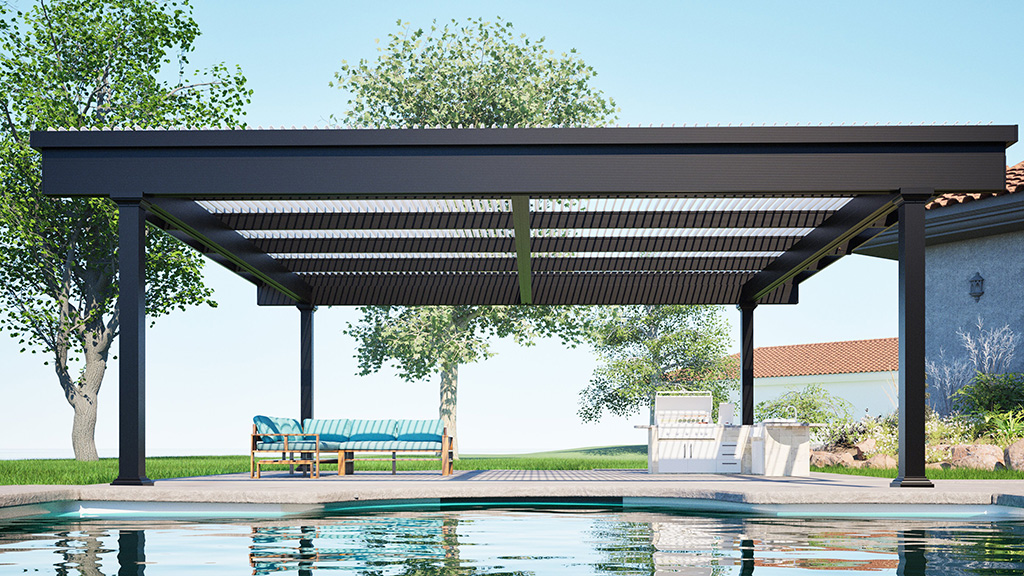
Consult with a Backyard Living Expert for Personalized Guidance and Exclusive Savings
© 2026 Luxury Backyard Living, LLC | All rights reserved



 866-364-1094