


August 15, 2026
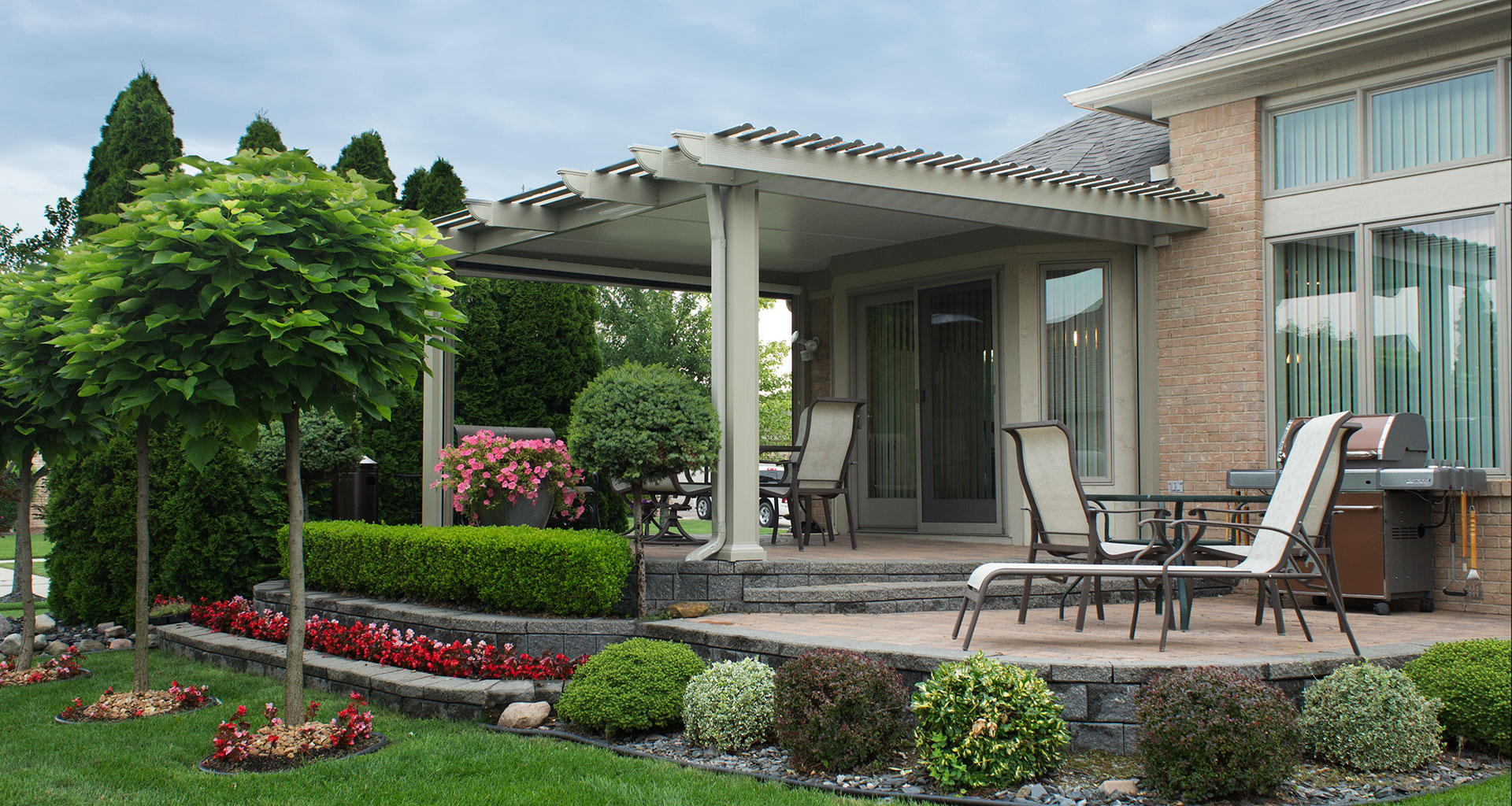
Receive a personalized quote quickly—simply fill out the form below!
Adding a pergola or patio enclosure can make your outdoor space more comfortable, attractive, and useful. Both options can add shade, define your backyard, and create a better place for relaxing, dining, or entertaining. The cost depends on the size, materials, design, labor, permits, and whether you want a simple shade structure or a more finished outdoor living area.
A professionally installed pergola often costs around $2,100 to $6,400, with many homeowners spending about $4,200 for a standard project. Larger custom pergolas, premium wood, aluminum systems, motorized louvers, lighting, fans, and built-in features can raise the price significantly. Basic DIY kits may cost less, while high-end custom pergolas can reach much higher depending on design and materials.
A patio enclosure usually costs more than a pergola because it may include screens, walls, windows, roofing, doors, electrical work, flooring, insulation, or HVAC. Adding screens to an existing covered patio may cost about $10 to $25 per square foot, while building a new screened-in patio enclosure may range from $50 to $175 per square foot. A more finished enclosed patio with walls and windows can cost around $100 to $350 per square foot, depending on the level of comfort and construction involved.
A pergola is usually the more affordable choice if your main goal is shade, style, and a defined outdoor seating area. A patio enclosure costs more because it creates a more protected space that may keep out bugs, rain, wind, debris, and extreme temperatures. If you want a simple backyard upgrade, a pergola may be enough, but if you want a more usable outdoor room, a patio enclosure may be worth the larger investment.
The larger the structure, the more you can expect to pay for materials, labor, footings, roofing, screens, windows, and finishing details. A small pergola over a seating area will cost much less than a large custom structure covering an outdoor kitchen or full patio. For patio enclosures, size matters even more because every added square foot can increase the cost of framing, roofing, screening, flooring, and electrical work.
Pergolas can be built from wood, vinyl, aluminum, steel, fiberglass, or composite materials. Pressure-treated wood may be more budget-friendly, while cedar, redwood, aluminum, and motorized louvered systems usually cost more. Patio enclosures may include aluminum framing, screen mesh, vinyl windows, glass windows, insulated panels, composite materials, or full construction materials that match the home.
Professional installation adds to the cost, but it also helps ensure the structure is safe, level, properly anchored, and built to handle local weather. Labor costs can vary based on your location, project complexity, site access, foundation needs, and whether electrical or structural work is included. A simple pergola kit may be faster to install, while a custom patio enclosure requires more planning and skilled construction.
Many pergolas and patio enclosures require permits, especially if they are attached to the home, include electrical work, or change the roofline. Homeowners associations may also have rules about size, height, color, materials, setbacks, and placement. Permit fees, drawings, inspections, and design revisions can add to the total project cost, so it is smart to check requirements before construction begins.
Outdoor features can make a pergola or patio enclosure more comfortable, but they also raise the budget. Lighting, ceiling fans, heaters, privacy screens, retractable shades, gutters, flooring, speakers, outlets, outdoor kitchens, and furniture can all add to the final cost. These upgrades are often easier and cleaner to include during the original build instead of adding them later.
Your yard and existing patio can also influence the cost. Uneven ground, poor drainage, old concrete, tree roots, limited access, or the need for new footings can increase labor and preparation expenses. If the structure must connect to the home, contractors may also need to inspect siding, rooflines, flashing, foundations, and exterior walls before installation.
The cheapest option is not always the best value over time. Wood pergolas may need staining or sealing, while aluminum and vinyl options often require less maintenance. Patio enclosures may cost more upfront, but they can protect furniture, reduce bugs and debris, and make the space more useful during more seasons.
The cost to build a pergola or patio enclosure depends on how much comfort, protection, and customization you want. A pergola is usually best for homeowners who want an affordable, open-air shade feature, while a patio enclosure is better for those who want a more protected outdoor living space. By comparing materials, size, features, permits, and long-term maintenance, you can choose the option that fits your home, lifestyle, and budget.
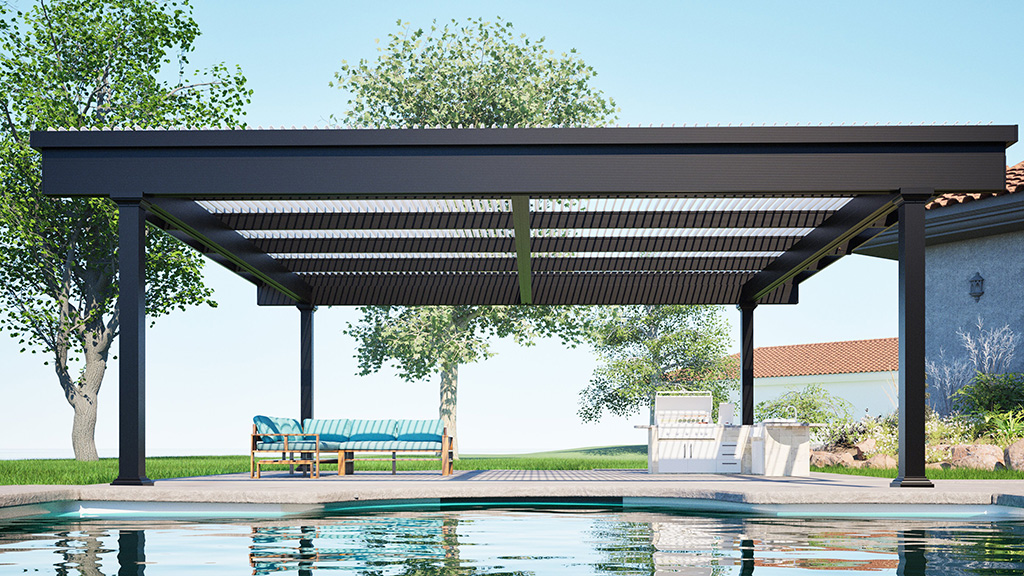
Consult with a Backyard Living Expert for Personalized Guidance and Exclusive Savings
© 2026 Luxury Backyard Living, LLC | All rights reserved



 866-364-1094