


September 1, 2026
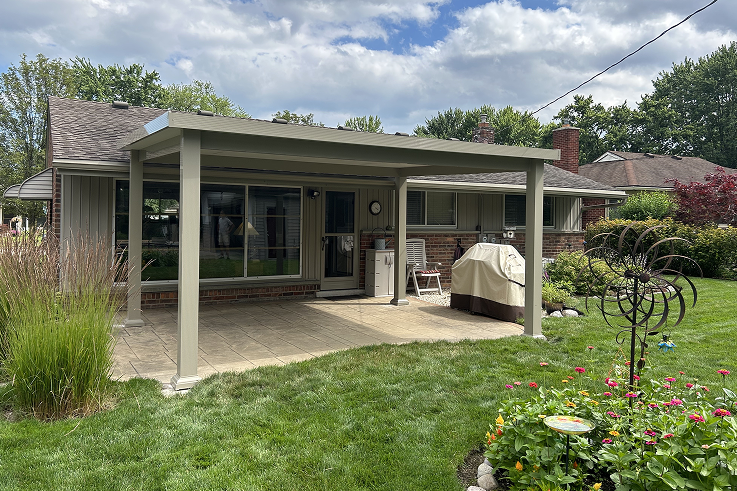
Receive a personalized quote quickly—simply fill out the form below!
A patio cover is an excellent investment for homeowners who want to enhance their outdoor living space while adding protection from the elements. Whether you are looking to create a shaded retreat, expand your entertainment area, or improve your home’s overall value, a patio cover can provide long-term benefits. However, like any home improvement project, proper budgeting is essential to ensure the installation remains affordable and meets your expectations. By understanding the factors that influence costs and planning carefully, you can achieve a beautiful and functional patio cover without overspending.
Before establishing a budget, it is important to identify your primary goals for the patio cover. Some homeowners want a simple shade structure to make outdoor spaces more comfortable, while others are interested in creating a fully integrated outdoor living area complete with lighting, fans, and decorative features. Understanding how you plan to use the space will help guide your decisions and prevent unnecessary expenses. A clearly defined vision also makes it easier to communicate with contractors and compare estimates accurately.
The material you choose will have a significant impact on the overall project cost. Aluminum patio covers are often a popular option because they are durable, low-maintenance, and generally more affordable than some alternatives. Wood patio covers offer a classic and customizable appearance but may require more maintenance over time. Vinyl and composite materials provide additional options that balance appearance and durability. Comparing the upfront costs, maintenance requirements, and lifespan of each material can help you make a cost-effective decision that fits your budget.
One of the most important steps in the planning process is determining how much you are comfortable spending. Consider your financial situation and establish a budget range that includes both expected and unexpected costs. Rather than focusing only on the base installation price, account for permits, site preparation, upgrades, and potential repairs that may be necessary before construction begins. Having a realistic budget helps prevent surprises and keeps the project on track from start to finish.
The size of your patio cover will directly affect material and labor costs. Larger structures require more materials and typically take longer to install, resulting in higher overall expenses. Design complexity also plays a major role. A simple attached patio cover with a basic roofline will generally cost less than a custom structure with decorative elements, multiple roof sections, or integrated features. Carefully evaluating your design priorities can help you balance aesthetics and affordability.
Many municipalities require permits for patio cover installations, particularly if the structure is attached to the home. Permit fees vary depending on location and project scope, and inspections may be required throughout the construction process. Failing to account for these expenses can lead to budget overruns. Before beginning the project, contact your local building department or consult with your contractor to understand all permit requirements and associated costs.
Obtaining estimates from several qualified contractors is one of the best ways to ensure you receive fair pricing. Comparing proposals allows you to evaluate differences in materials, labor costs, warranties, and project timelines. While it may be tempting to choose the lowest bid, it is important to consider overall value rather than price alone. An experienced contractor who uses quality materials and provides a strong warranty may offer greater long-term savings than a lower-cost alternative.
When working within a budget, it can be helpful to distinguish between essential features and optional upgrades. Structural integrity, weather protection, and durability should remain top priorities. Additional features such as built-in lighting, ceiling fans, decorative columns, or motorized shade systems can often be added later if desired. Focusing first on the core structure allows you to complete the project successfully while preserving flexibility for future enhancements.
A cost-effective patio cover is not necessarily the least expensive option upfront. Long-term maintenance requirements should also be considered when making material and design decisions. Some materials require regular painting, staining, or repairs, while others offer years of low-maintenance performance. Choosing a material with lower maintenance demands may result in higher initial costs but can provide substantial savings over the life of the structure.
A well-designed patio cover can help reduce energy costs by providing shade to windows, doors, and exterior walls. During warmer months, this added shade may decrease indoor temperatures and reduce the workload on air conditioning systems. While energy savings alone may not justify the entire project cost, they can contribute to the overall value of the investment over time. Factoring potential efficiency benefits into your decision-making process can help you evaluate the project’s long-term return.
Even carefully planned projects can encounter unexpected expenses. Site preparation issues, hidden structural concerns, material price fluctuations, or design modifications can all affect the final cost. Setting aside a contingency fund of approximately 10 to 15 percent of your total budget provides a financial cushion if unforeseen challenges arise. Having these funds available helps prevent delays and allows the project to move forward smoothly.
If the ideal patio cover exceeds your immediate budget, financing options may help make the project more manageable. Many contractors offer financing programs, and homeowners may also consider personal loans or home improvement financing products. Before committing to any financing arrangement, carefully review interest rates, repayment terms, and total costs. Responsible financing can help spread expenses over time while allowing you to enjoy the benefits of the patio cover sooner.
Budgeting for a new patio cover requires careful planning, realistic expectations, and thoughtful decision-making. By defining your goals, selecting appropriate materials, comparing contractor estimates, and accounting for both immediate and long-term costs, you can create a cost-effective installation that enhances your outdoor living space. Taking the time to plan properly helps ensure that your patio cover delivers lasting value, comfort, and enjoyment without creating unnecessary financial stress. With a solid budget in place, you can move forward confidently and transform your outdoor area into a functional extension of your home.
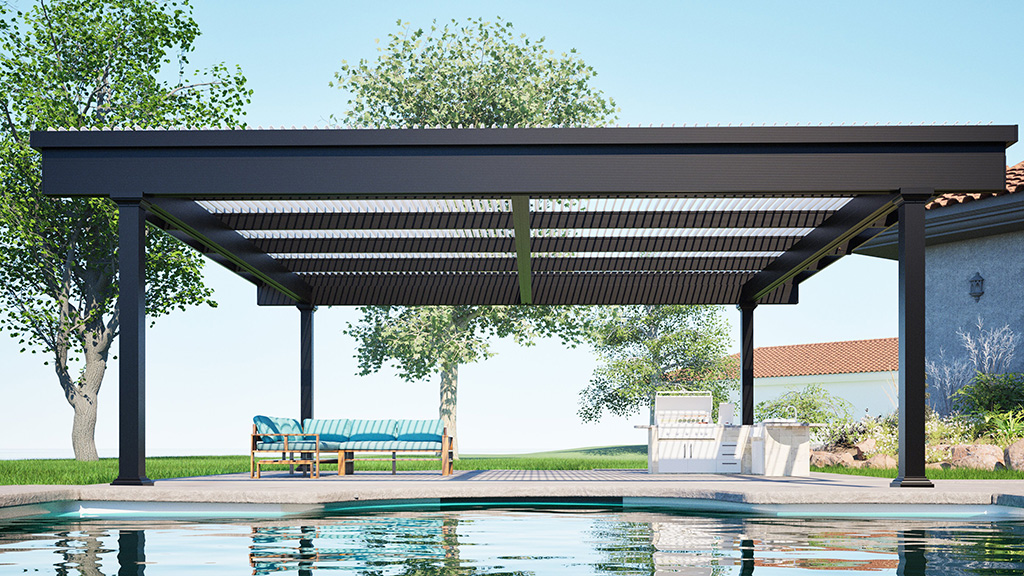
Consult with a Backyard Living Expert for Personalized Guidance and Exclusive Savings
© 2026 Luxury Backyard Living, LLC | All rights reserved



 866-364-1094